02.11.2026 21:50






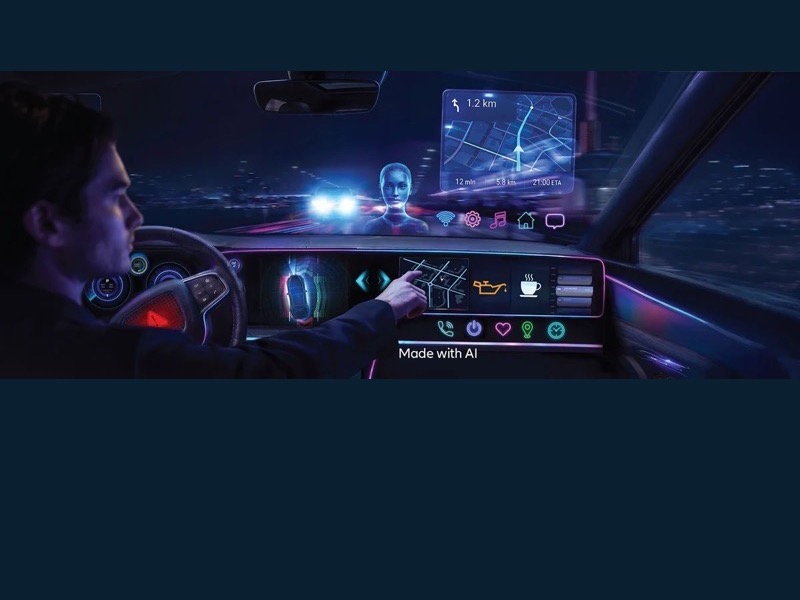
Research by the Allianz Center for Technology indicates that distraction plays a role as a cause or contributing factor in roughly one in three road crashes. The programme examines digital cockpit design alongside driver behaviour.

The research combined analysis of more than 34,000 crash cases with eye-tracking studies in real vehicles, driving-simulator research with the Technical University of Munich and cognitive modelling of critical traffic scenarios. More than eighty scientific studies were reviewed, and drivers in nine countries were surveyed.

The findings were presented at the fourteenth Allianz Motor Day and published in “SWIPE. TAP. CRASH. Driver Distraction in the Digital Car”. Allianz notes that distraction may not always be explicitly identified in official crash records.
According to the study, visual attention required for the same in-car task can differ by up to 25% between vehicles, depending on cockpit design. Moving frequently used functions such as climate or radio controls into multi-layered menus can increase the time drivers look away from the road.
Simulator and modelling results also indicate that divided attention can adversely affect responses in critical situations. These measurements concern controlled scenarios; they should not be interpreted as direct real-world crash probabilities for every driver.
Allianz calls on manufacturers to offer safety-relevant functions through physical controls or clearly defined areas that remain accessible on the screen. Sixty-five percent of surveyed drivers said they preferred physical controls for certain functions.
The report emphasises that driver-assistance systems can support driving but cannot replace the driver’s attention. It recommends considering interface usability and driver awareness together.
Source and further details: Official information. Prepared from the organisation’s press release.