02.11.2026 21:50







Ember’s Global Electricity Review 2026 reports that solar generation increased 30% to 2,778 TWh in 2025. Solar met roughly three-quarters of the year’s growth in global electricity demand, with panel costs and storage central to the wider transition.

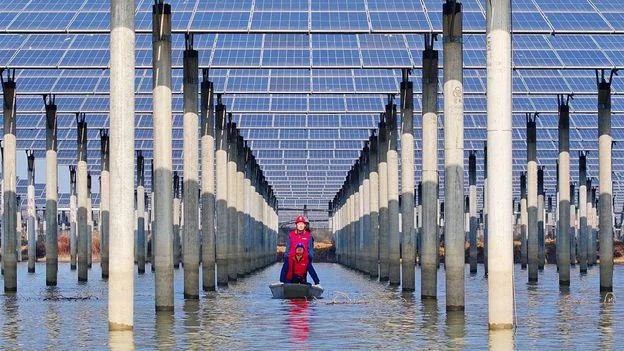
The growth in solar generation shows how the scale of the technology is changing. Ember reports output of 2,778 terawatt-hours in 2025. The 30% annual increase underlines solar’s increasingly significant role in the global electricity system.
Meeting around 75% of the increase in global electricity demand does not mean solar generated 75% of all the world’s electricity. The comparison concerns the additional demand relative to the previous year. Generation, installed capacity and share of total electricity are also different indicators and need to be interpreted separately.
Expanding manufacturing capacity, technological progress and competition are helping more users access solar technology. China’s large manufacturing scale is an important part of the global change. Less expensive panels create opportunities not only for large power plants but also for rooftops and distributed generation.
The price of one panel does not, however, describe the total cost of an installation. Panel output and efficiency, inverters, connection equipment, mounting, grid connection and any battery storage all have to be considered. Comparing products of different sizes and specifications against one headline price is less useful than assessing the requirements and conditions of a complete system.
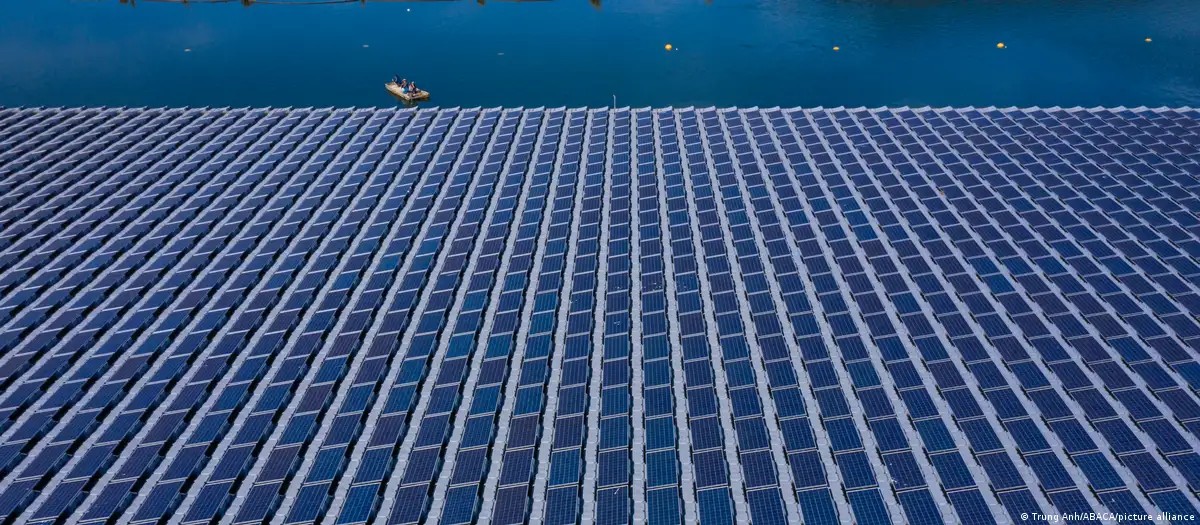
Solar’s dependence on daylight and weather increases the importance of flexibility in the electricity system. Batteries that move some daytime production into the evening can bring the timing of generation and consumption closer together. Storage helps manage variability; it does not physically remove dependence on sunlight.
Markets such as Pakistan, where electricity costs or supply problems are significant, also highlight the move towards users generating more of their own power. In places with limited grid access, solar and appropriate storage can open up different applications. These developments show why the transition cannot be understood solely through large national power stations.
Solar generation approaching nuclear output is another sign of the changing balance between sources. Similar annual totals do not mean the two technologies operate in the same way at every hour of the day. As panels, storage and grid management develop together, the scope of solar’s role in the electricity system will become clearer.
Sources and further information: Ember Global Electricity Review 2026 · Ember assessment of 2025 generation.
Reporting: Erkan Veyseloğlu