02.11.2026 21:50







FUCHS is highlighting the role of lubrication in energy use, wear and manufacturing continuity as the automotive industry changes. Electric vehicles create different fluid requirements rather than eliminating the need for specialised fluids.

Automotive efficiency is often discussed through engines and batteries, but manufacturing lubricants and processing fluids are part of the picture. FUCHS points to the contribution of appropriate lubrication to managing friction and wear. That applies both to vehicle components and to the machinery used to produce them.
Selecting a product involves more than choosing a broad lubricant category. Operating temperature, material compatibility, loads, speed and the equipment manufacturer’s specifications all matter. Using a fluid with the correct technical properties is therefore an important part of maintenance planning and equipment management.
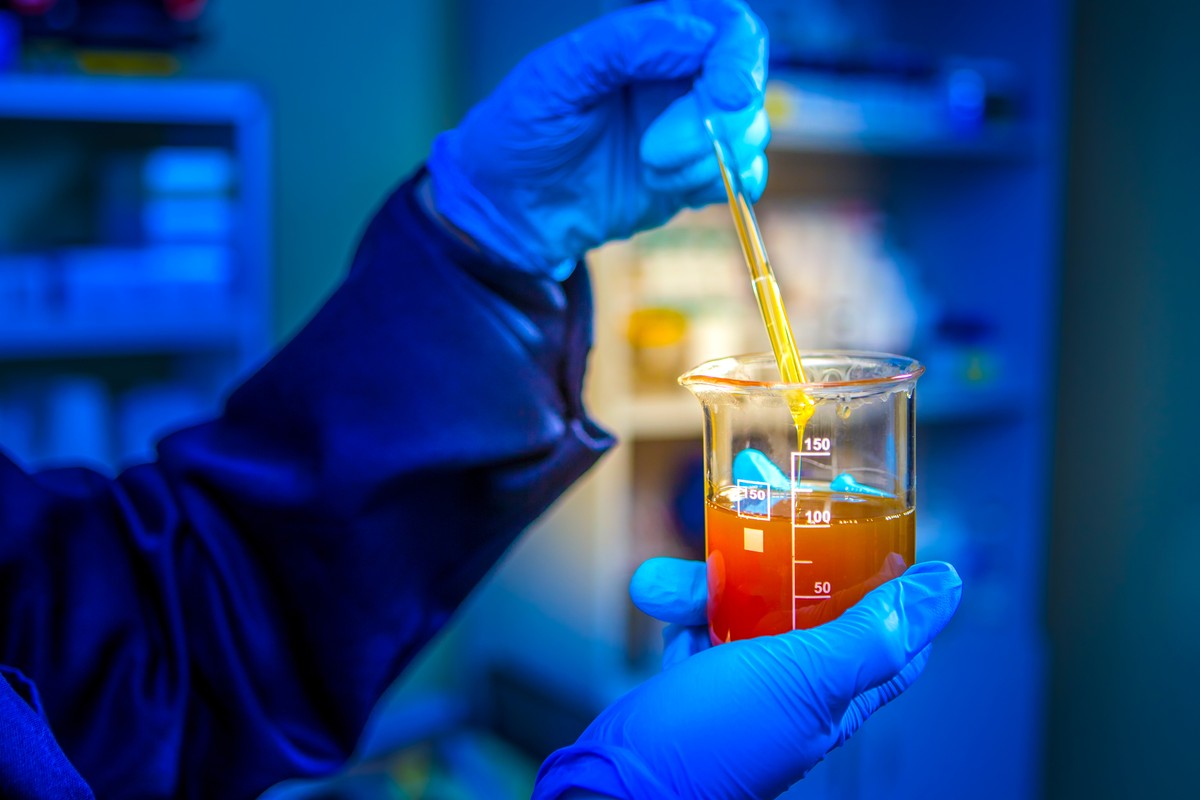
The growth of electric cars changes the role of conventional engine oil without removing every lubrication requirement. Drivetrains, moving components and thermal management call for different solutions. Compatibility with materials in electric-drive systems and control of operating temperatures are relevant considerations.
FUCHS treats electric-mobility fluids and manufacturing technologies as related parts of that transition. Thermal management is an engineering task concerned with keeping components within suitable operating conditions. It would not be appropriate to conclude that one product delivers the same performance or a fixed reduction in energy use across all vehicles.
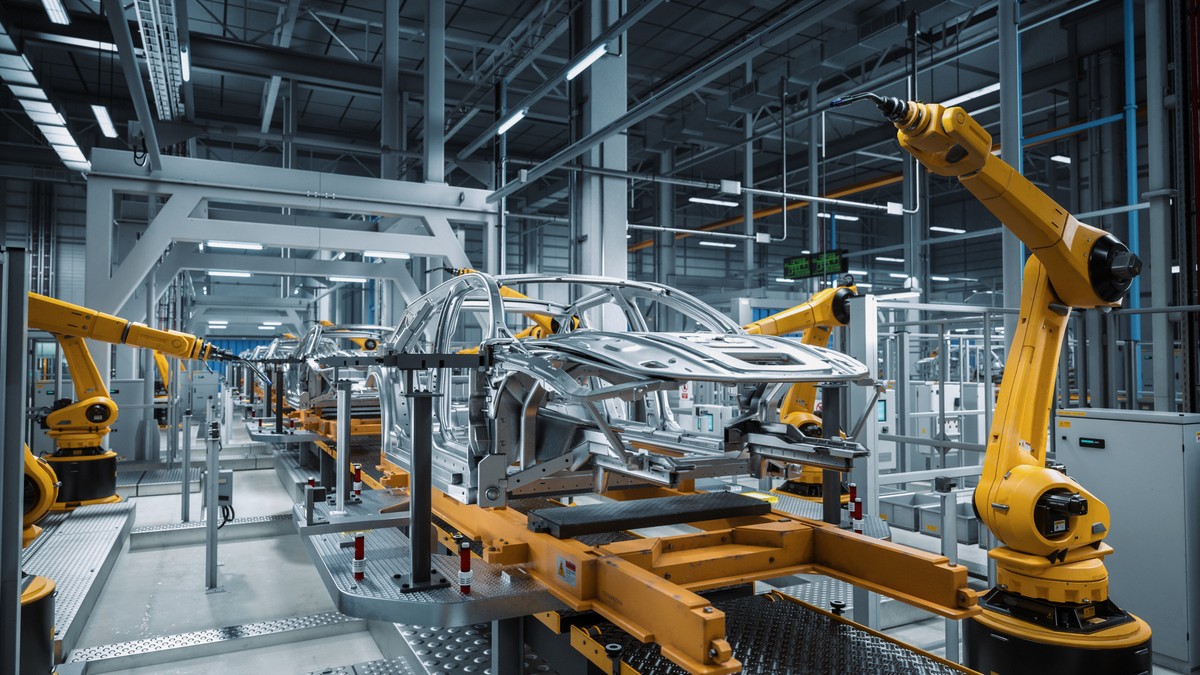
The company links industrial competitiveness with efficient use of resources. Fluid service life, maintenance intervals, waste management and production continuity form interconnected considerations for a factory. Research and development also focus on solutions suited to new materials and production processes.
Increasing automation makes these technical choices more visible. Lubrication can form part of an efficiency programme, but outcomes need to be measured for the specific facility, equipment and operating conditions. That connects broad efficiency goals with maintenance and production indicators that can actually be monitored.