02.11.2026 21:50







The U9 Xtreme from BYD’s luxury brand Yangwang put electric hypercar performance in the spotlight by reaching 496.22 km/h in Germany in 2025. Four motors, a 1,200-volt architecture and a track-focused chassis underpin that result.

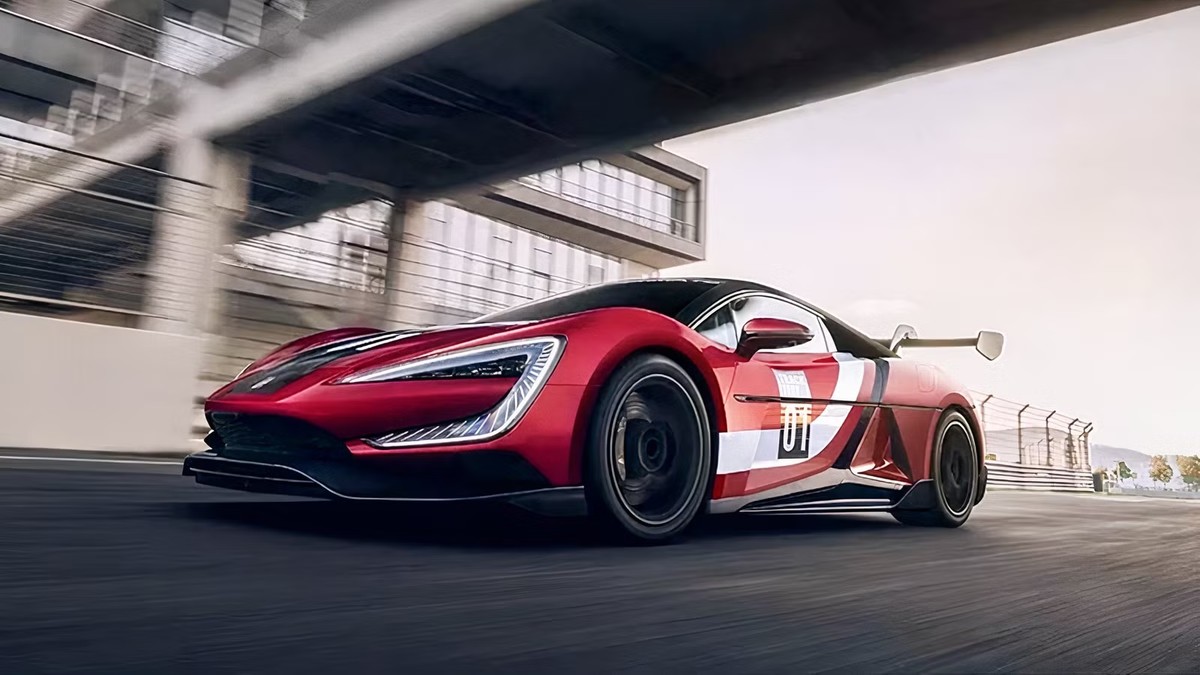
The U9 Xtreme’s headline speed comes from a run on 14 September 2025 at ATP Automotive Testing Papenburg in Germany. The manufacturer’s announced 496.22 km/h figure applies to the track-focused Xtreme version developed from the standard U9. It does not mean that every version in the model family has the same maximum speed.
When assessing a hypercar, the conditions under which a speed was achieved matter alongside the number itself. Tyre selection, aerodynamic changes and vehicle control systems all contribute to stability at high speed. A result measured on a test track is not presented as an expectation for ordinary road use.
BYD’s technical announcement specifies four high-revving electric motors and total output above 3,000 PS for the U9 Xtreme. Motors capable of reaching 30,000 rpm work with a 1,200-volt high-voltage platform. The model illustrates why an electric performance programme must develop the whole system operating under high power, rather than concentrating only on motor output.
A track-focused Blade Battery, cooling system and energy management complement that architecture. In a high-performance electric car, controlling battery and motor temperatures matters alongside producing a short burst of power. Delivering that output reliably requires a broader engineering effort than a single specification can describe.
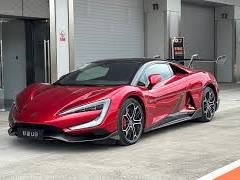
The e⁴ platform and DiSus-X body control system are adapted for track use in the U9 Xtreme. Suspension, body-motion control and aerodynamics work together to shape its high-speed behaviour. The manufacturer announced a Nürburgring Nordschleife lap of 6 minutes 59.157 seconds, providing a different measure of performance from straight-line speed.
BYD announced the Xtreme as a limited production run of no more than 30 cars. Targets for a further speed attempt should be distinguished from completed, measured results. Discussion of the 500 km/h threshold does not constitute a new result superseding the 496.22 km/h measurement from 2025. The model’s technical significance lies in combining high-voltage electric architecture, battery technology, thermal management and chassis control around the same performance objective.
Sources and further information: BYD technical release · Tyre manufacturer’s account of the speed run.
Reporting: Erkan Veyseloğlu