02.11.2026 21:50






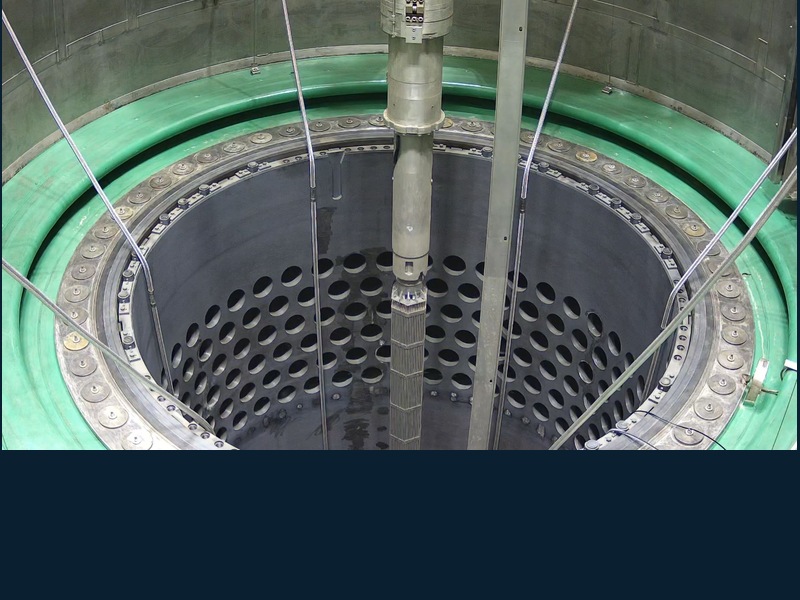
Rosatom has announced the shipment of the first batch of nuclear fuel prepared for the second unit of Bangladesh’s Ruppur Nuclear Power Plant. The delivery forms one stage of fuel acceptance and commissioning preparations.
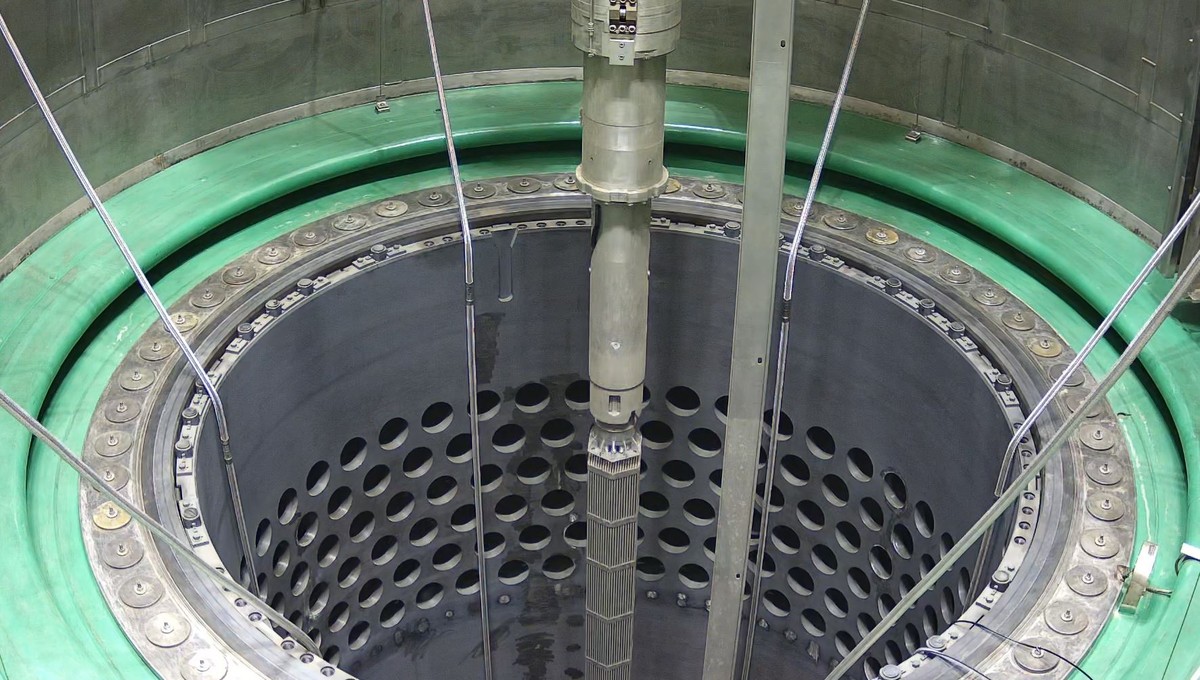
According to the announcement, the fuel for the second unit was produced by the Novosibirsk Chemical Concentrates Plant within Rosatom’s TVEL fuel business. It was transported to Bangladesh by air. Delivering fuel connects manufacturing, logistics and operational preparation within a nuclear-power project.
Ruppur uses VVER-1200 reactor technology. Shipping the initial fuel for its second unit represents progress in that unit’s preparations. Delivery does not, however, mean that commercial electricity generation starts at the same time. Acceptance, inspection, loading and commissioning are separate stages.
Rosatom’s release points to the authorised acceptance process for the delivered fuel. Shipment documentation and compliance with the specified technical conditions are checked at this stage. Nuclear safety and quality requirements apply not only during manufacturing but also in transport and receipt at the site.
Fuel-related operations follow approved plant procedures and oversight by the relevant authorities. A shipment announcement should not be interpreted as confirmation that every licensing and operating step is complete. Each part of the technical programme has its own controls and permission requirements.
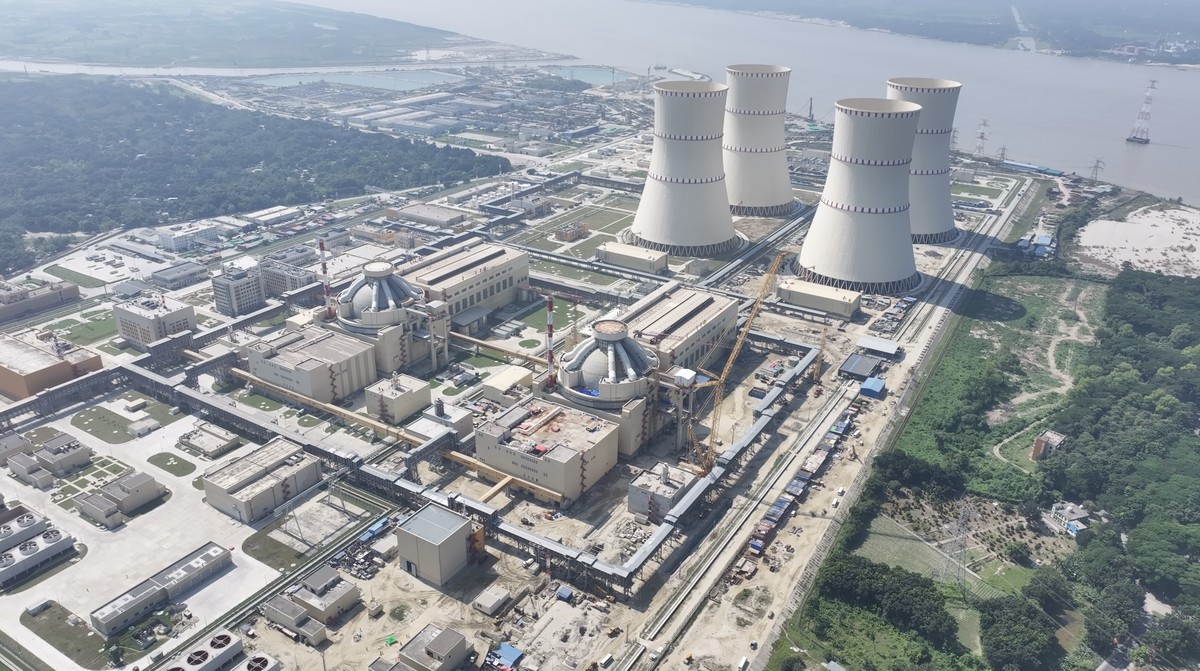
Ruppur is a major element of Bangladesh’s nuclear-energy infrastructure programme. Fuel supply, reactor construction and preparation of operating personnel are different parts of the same project. This delivery is a tangible step in fuel readiness for the second unit.
The development reported here concerns the first fuel shipment for that unit. Grid connection, power-raising tests and the start of commercial operation require separate official announcements. Keeping those milestones distinct avoids confusing logistical delivery with electricity-generation achievements.