




Samsung says Galaxy Z Fold8, Fold8 Ultra and Flip8 were assessed through more than 100 reliability tests covering drops, folding, pressure, humidity and particles.
Dji Banner Inside Article - 728x90

Testing reflects repeated everyday use
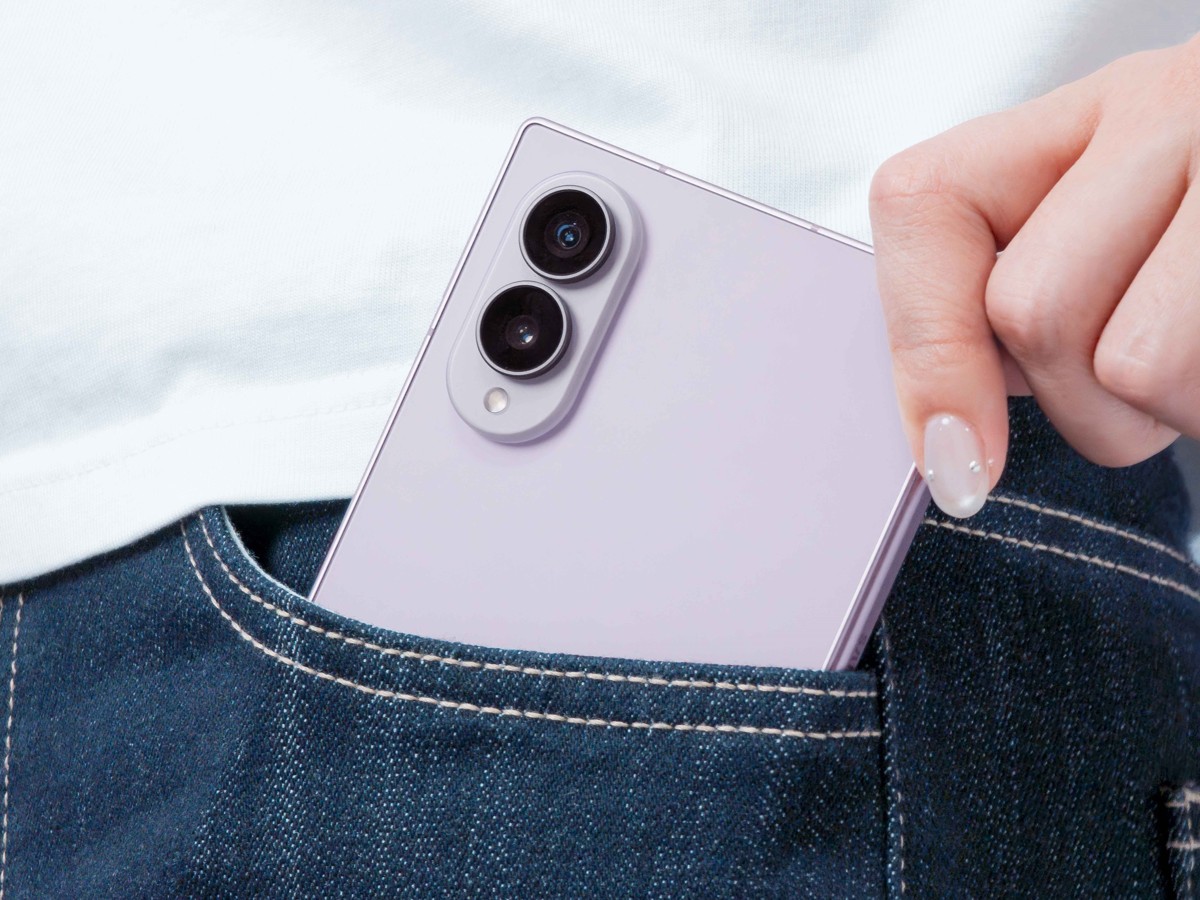
Samsung has outlined the reliability work behind its new Galaxy Z foldable phones. The company says the Galaxy Z Fold8, Fold8 Ultra and Flip8 underwent more than 100 verification tests designed to reflect different conditions encountered in daily use.
The announcement identifies repeated opening and closing, carrying a device in a bag and exposure to changing environments as factors that influence long-term performance. Samsung says it considers the display structure, hinge mechanism and other components together when balancing flexibility and durability.
More than a folding test
The reported test programme includes drops, repeated folding, pressure, humidity and exposure to foreign particles. Samsung describes the process as a way of evaluating performance under different scenarios and identifying potential problems before devices reach customers.
The company links that testing to eight generations of foldable-phone development. Its emphasis is on using experience from earlier models to refine both the physical design and the materials used in subsequent products.
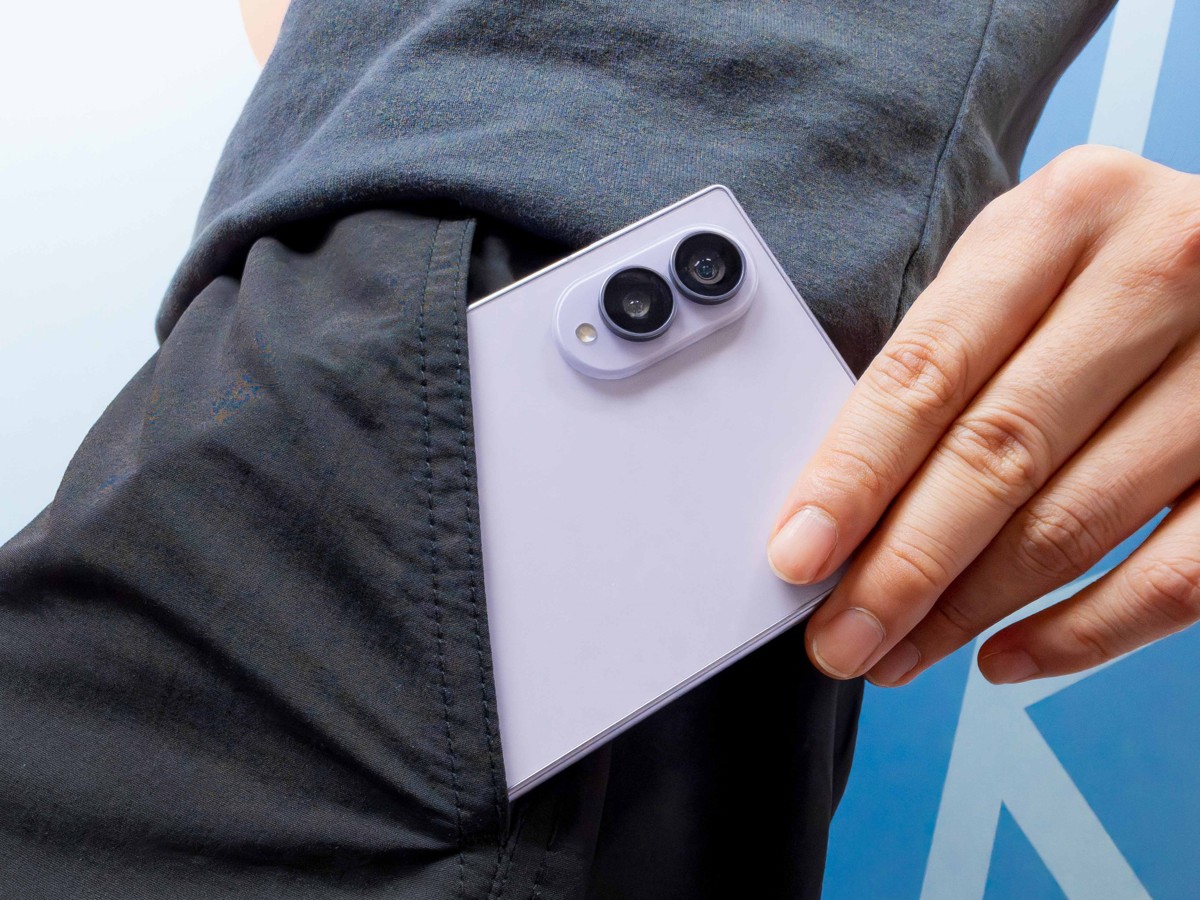
Flex Titanium supports the display structure
For Galaxy Z Fold8 and Fold8 Ultra, Samsung highlights Flex Titanium technology, combining a titanium-alloy film with a titanium plate beneath the screen. The company says this structure supports the display while retaining the flexibility required for folding.
The titanium plate is also intended to help manage pressure and impacts reaching the display from the front or rear. In the announcement, screen protection is therefore treated as part of the wider mechanical design, rather than as a separate surface treatment.
Thin construction increases engineering demands
Samsung says making a foldable device thinner requires more precise engineering of both the screen’s supporting layers and the hinge. It describes material selection and manufacturing precision as connected elements in pursuing a thinner, lighter device while maintaining reliability goals.
The announcement focuses on Samsung’s internal development and testing approach. It does not provide independent test results or a specific number of guaranteed folding cycles. Its main message is that the new Galaxy Z series combines material changes with a broad reliability-verification programme intended to address everyday usage conditions.


