


“Tell AI to Challenge My Thinking!”
Emphasizing that artificial intelligence is transforming not only access to information but also the way people think and make decisions, Sociologist Prof. Dr. Ebulfez Süleymanlı said, “Accessing information faster does not mean thinking better.” Stressing that the solution is not to stay away from artificial intelligence, Prof. Dr. Süleymanlı added, “The point is to make it a partner in thinking, rather than a replacement for thought.”
Pointing out that the questions directed at AI can change how it is used, Prof. Dr. Süleymanlı recommended asking, “Challenge my thinking” instead of “Think for me,” “What other perspectives are possible?” instead of “Give me the correct answer,” and “What am I overlooking here?” instead of “Make the decision for me.”
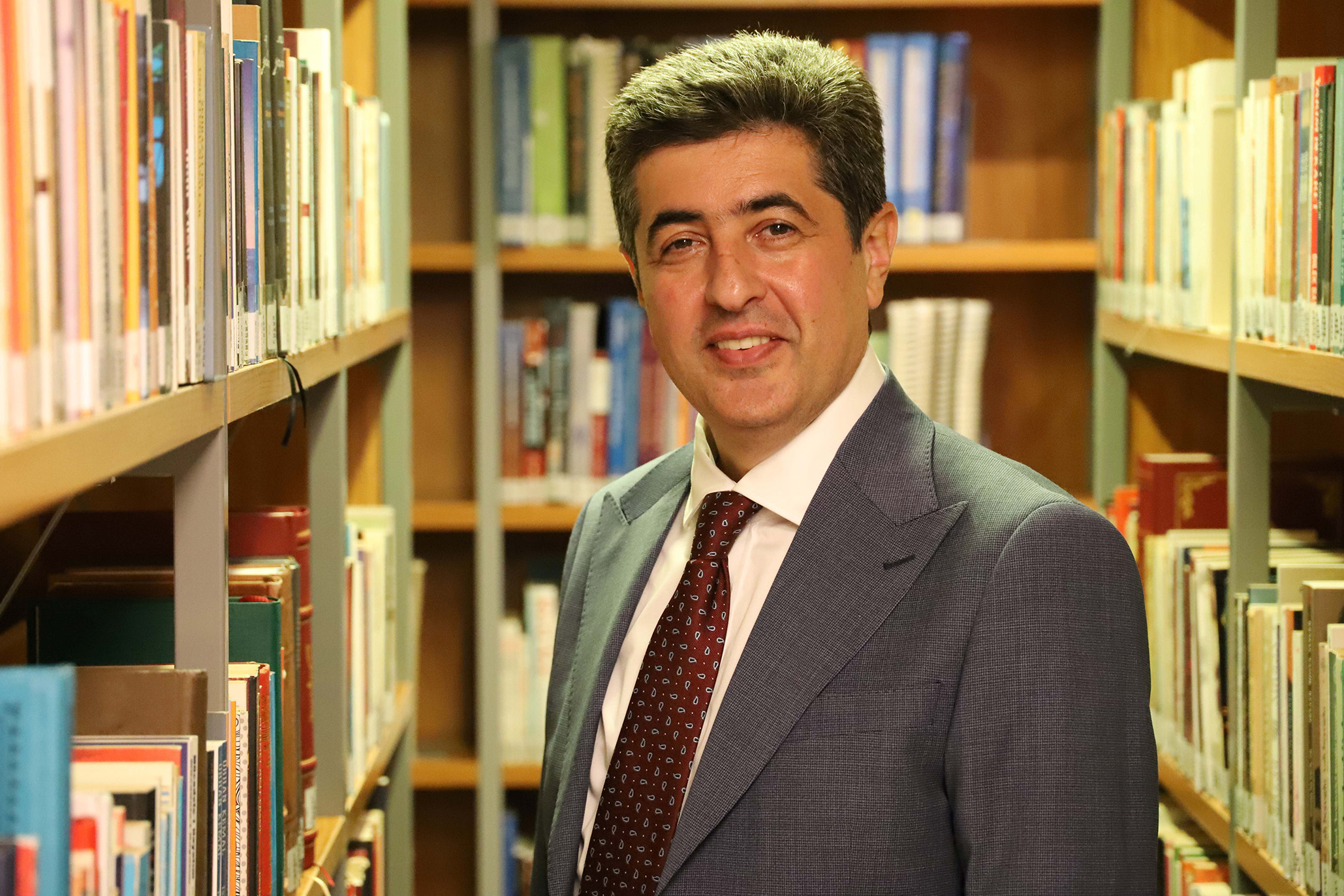
Prof. Dr. Ebulfez Süleymanlı, a faculty member in the Department of Sociology at Üsküdar University, assessed the risks facing independent thinking, learning, and decision-making skills in the age of artificial intelligence, drawing on Cemil Meriç’s emphasis on the importance of thought.
Noting that technological transformations have historically changed humanity’s relationship with knowledge, Prof. Dr. Ebulfez Süleymanlı said, “Throughout human history, major technological transformations have changed not only the ways we produce things but also our relationship with knowledge and thought. The printing press made information more widely available, machines reduced physical labor, and the internet accelerated access to information. Artificial intelligence represents a different threshold. This time, technology does not merely help us access information; it also directly enters our processes of interpretation, comparison, writing, reasoning, and decision-making.”
“Thinking Is Fighting” Takes on New Meaning in the Age of AI
Emphasizing that artificial intelligence is not merely a matter of technological progress and efficiency, Prof. Dr. Ebulfez Süleymanlı said the issue is also closely related to human cognitive autonomy—the capacity to think and make decisions independently.
Noting that Cemil Meriç, who described himself as a “worker of ideas,” was deeply concerned with preventing people from surrendering to ready-made patterns of thought, Prof. Dr. Süleymanlı stated that Meriç’s words, “Thinking is fighting,” have taken on renewed significance in the age of artificial intelligence.
Observing that systems capable of writing texts, summarizing books, and constructing arguments within seconds are becoming increasingly common, Prof. Dr. Süleymanlı said that the decisive factor is how people maintain their relationship with their own thinking processes.
“The problem is not that artificial intelligence can do these things. The real issue is at what point we begin handing over to it the mental tasks that we should be performing ourselves. Particularly for younger generations, this carries the risk of weakening thinking, questioning, and problem-solving skills before they have been sufficiently developed,” he said.
To What Extent Are Thinking and Decision-Making Being Delegated to Technology?
Referring to historian and author Yuval Noah Harari’s warnings about artificial intelligence becoming an “actor” capable of participating in decision-making processes, Prof. Dr. Süleymanlı said that we need to question not only who uses technology but also how much authority over thinking and decision-making is being handed over to it.
Stating that technology can enhance human intelligence, Prof. Dr. Süleymanlı explained, “However, when you leave the responsibilities of thinking, comparing, questioning, and making decisions entirely to technology, we are no longer talking about a helpful tool but about cognitive dependency.”
Changes in Cognitive Skills Cannot Be Attributed Directly to AI
Citing research suggesting that the generational rise in IQ test scores has slowed, stalled, or even reversed in certain cognitive areas in some countries, Prof. Dr. Ebulfez Süleymanlı emphasized the need for caution when interpreting these findings.
Recalling that the rise observed throughout much of the 20th century is known as the “Flynn effect,” Prof. Dr. Süleymanlı said, “It may not be accurate to attribute this directly to artificial intelligence, because some of these trends began long before generative AI became widespread.”
He noted that changes in education quality, attention spans, social media use, screen time, and the habit of reading long texts should all be considered together in this discussion. He also drew attention to how instant access to ready-made answers can change people's habits of applying mental effort.
“Therefore, the real issue is not whether artificial intelligence alone is a cause of decline, but whether it deepens existing cognitive weaknesses,” he said.
“Learning Is Not Just About Finding the Right Answer”
Emphasizing the importance of the cognitive environment in which artificial intelligence is becoming widespread, Prof. Dr. Süleymanlı said that technologies taking over the mental workload could create new risks in an environment where sustained attention, reading, and independent thinking habits are weakening.
Noting that students can prepare assignments in seconds, access book summaries without reading the books, and generate academically styled texts without first forming their own opinions, Prof. Dr. Süleymanlı stated:
“Accessing information faster does not mean thinking better. Learning is not simply about finding the correct answer. Learning means searching, making mistakes, comparing, questioning, and thinking again.”
AI Should Be Told: “Challenge My Thinking”
Emphasizing that the solution is not to avoid artificial intelligence, Prof. Dr. Süleymanlı said, “The point is to make it a partner in thinking, rather than a replacement for thought.”
Pointing out that the questions directed at AI can change how it is used, Prof. Dr. Süleymanlı recommended the following alternatives:
- Instead of “Think for me,” ask: “Challenge my thinking.”
- Instead of “Give me the correct answer,” ask: “What other perspectives are possible?”
- Instead of “Make the decision for me,” ask: “What am I overlooking here?”
Technological Investment Must Be Accompanied by a Strong Culture of Thought
Stating that, for Türkiye and the Turkic world, the issue is not simply about building technological infrastructure and increasing investment in artificial intelligence, Prof. Dr. Süleymanlı said that a culture of reading, critical thinking, questioning, and research must also be developed alongside technological capabilities.
Warning that reliance on ready-made information and cognitive dependency could deepen in environments where the intellectual foundation is weak, Prof. Dr. Süleymanlı emphasized that human responsibility for thinking must remain at the center of discussions about the future. He concluded:
“Because the fundamental question of the future is not how intelligent machines will become. The real question is this: As artificial intelligence increasingly thinks on our behalf, will we continue to think for ourselves?”
Banner Inside Article - 728x90