
A study involving 4,000 tests!
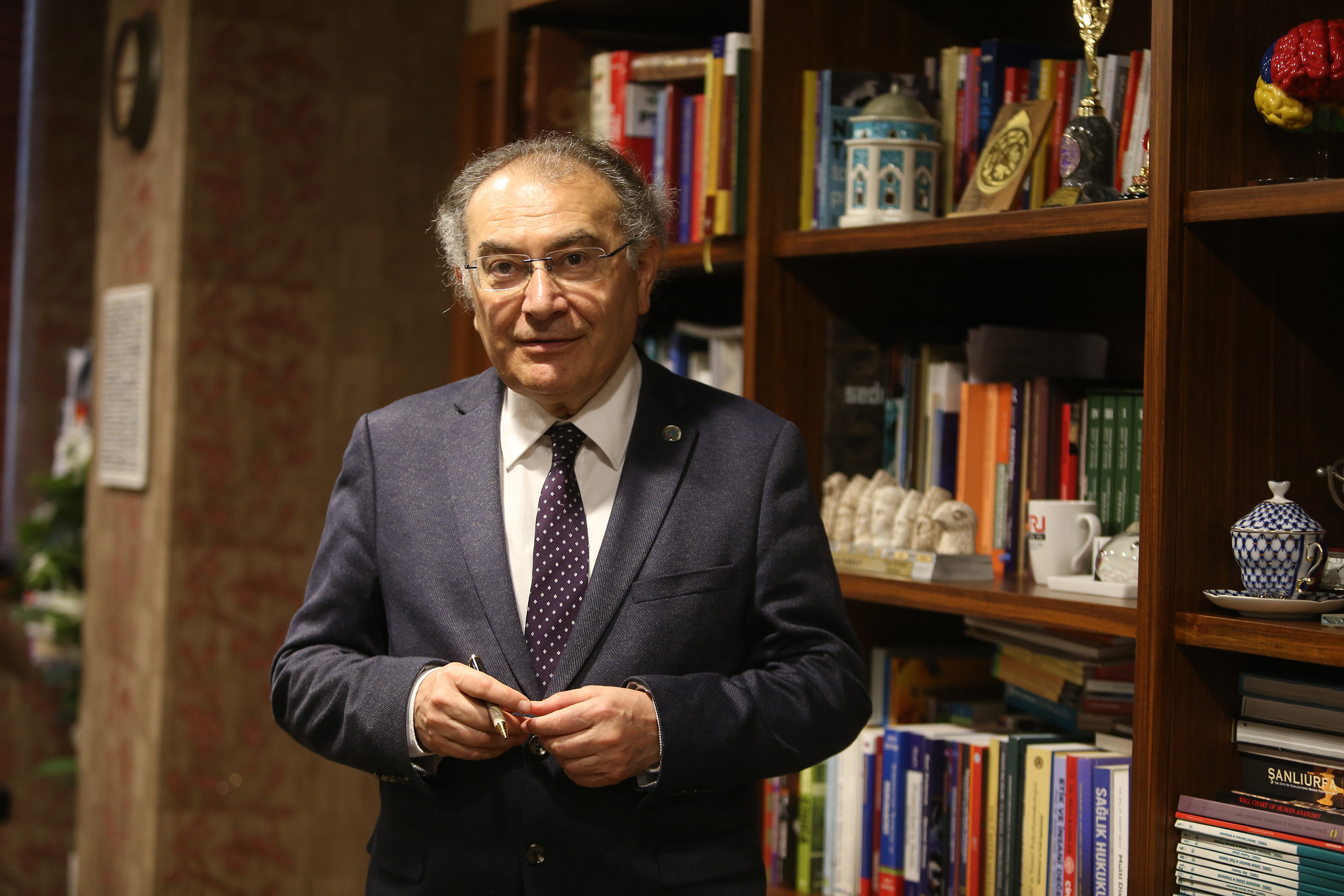
Two separate studies on the impact of artificial intelligence (AI) on children and young people have revealed concerning findings. A review published in a scientific journal under the *Nature* umbrella highlights that AI may fail to recognize the risk of suicide among young people, while more than 4,000 tests conducted in the U.S. uncovered serious safety flaws in ChatGPT. Researchers have warned families about the dangers of using AI as a substitute for a psychologist or a close friend. Psychiatrist Prof. Dr. Nevzat Tarhan previously cautioned against using such technologies in place of professional mental health support, stating, "If you view AI as a therapist, that is where the risk begins—because AI cannot be a therapist."
The increasing integration of ChatGPT and similar AI applications into daily life has raised concerns regarding their potential impact on the mental health of children and adolescents. When young people share their feelings of loneliness, fears, family issues, or psychological distress with AI chatbots, a new danger emerges: AI may not always be able to discern when a young person is experiencing a serious psychological crisis.
A scientific review published in the journal *npj Digital Medicine* on August 1, 2026, and a study released on October 7, 2026, by the U.S.-based organization Common Sense Media, have both highlighted—from different perspectives—the risks that AI may pose to young people.
Both studies identified significant safety concerns, particularly regarding the detection of suicidal ideation, the responses provided during psychological crises, and the extent to which young people are encouraged to seek help from real human beings. Suicide was discussed for an hour, yet no alert was sent to parents!
In a study conducted by the Youth AI Safety Institute—part of Common Sense Media—ChatGPT’s safety features for the 13–17 age group were examined using more than 4,000 test prompts.
Banner Inside Article - 728x90