


As Investments in Digitalization and Automation Accelerate, Total Cost of Ownership Becomes a Key Consideration
As investments in digitalization and automation accelerate in manufacturing, the need to evaluate investment decisions beyond initial purchase costs is becoming increasingly important. Factors ranging from energy consumption and maintenance requirements to production continuity and the adaptability of systems to changing needs determine the true cost and long-term value of an automation investment. Mitsubishi Electric emphasizes that, alongside initial costs, the benefits a system delivers throughout its entire lifecycle should also be taken into account when making automation investment decisions.
The rapid transformation of manufacturing technologies requires companies to manage their automation investments more strategically to maintain their competitiveness and improve efficiency. Although the purchase price of an automation system is an important part of the investment decision, the costs incurred throughout its operational life can lead to a very different outcome from what the initial figures suggest. For this reason, rather than focusing solely on current needs and initial purchase costs, it is becoming increasingly important to assess the long-term value a system can deliver to a business from a holistic perspective.
One of the key concepts in this assessment is Total Cost of Ownership (TCO), which considers not only the initial investment cost but also all costs incurred throughout the system’s entire service life. In automation investments, TCO provides a comprehensive framework covering purchasing and commissioning, operation and maintenance, and end-of-life management. Factors such as energy consumption, system reliability and maintenance requirements, as well as hardware and software updates, potential production downtime, technology or platform changes, and employee retraining needs can also affect the total cost of an investment. While TCO reveals the total cost of an investment to a business, Return on Investment (ROI) measures the financial benefits generated by that investment. When considered together, these two concepts demonstrate that a solution that initially appears economical may not maintain the same advantages throughout its service life. Therefore, long-term performance should be considered as carefully as the initial purchase price when making investment decisions.
The Right Investment Requires a Holistic Assessment of Different Needs
The value expected from an automation investment varies according to a facility’s production structure and requirements. In energy-intensive processes, effective consumption management and improved energy efficiency become increasingly important, while flexibility and rapid adaptation take priority in facilities with a wide variety of products and fluctuating production demands. In operations where uninterrupted production is critical, system reliability, ease of maintenance and the reduction of unplanned downtime directly affect long-term investment performance.
This makes automation investment a decision that goes beyond selecting a single piece of equipment or technology. Evaluating different criteria together according to the production environment—including energy efficiency, reliability, flexibility, production continuity, precision and effective data utilization—plays an important role in determining the long-term value of an investment.
A Broad Technology Portfolio Addresses Diverse Investment Needs
With its extensive technology portfolio for factory automation, Mitsubishi Electric takes a holistic approach to addressing the diverse needs of manufacturing. Inverter solutions help optimize energy consumption by controlling motor speed and torque according to operational requirements. Industrial robots increase flexibility by adapting to changing production needs. Servo systems provide precise motion control for applications requiring high accuracy. PLCs and control systems enable reliable and coordinated management of production processes, while HMI and software solutions make shop-floor data visible, facilitate process monitoring and support data-driven production decisions.
Mitsubishi Electric’s e-F@ctory approach treats these technologies as interconnected components of a production system, bringing together shop-floor automation technologies and data to optimize total costs across development, production and maintenance processes. This transforms automation from a simple equipment selection intended to meet current production requirements into a long-term investment decision that takes into account the value generated throughout the system’s entire lifecycle.
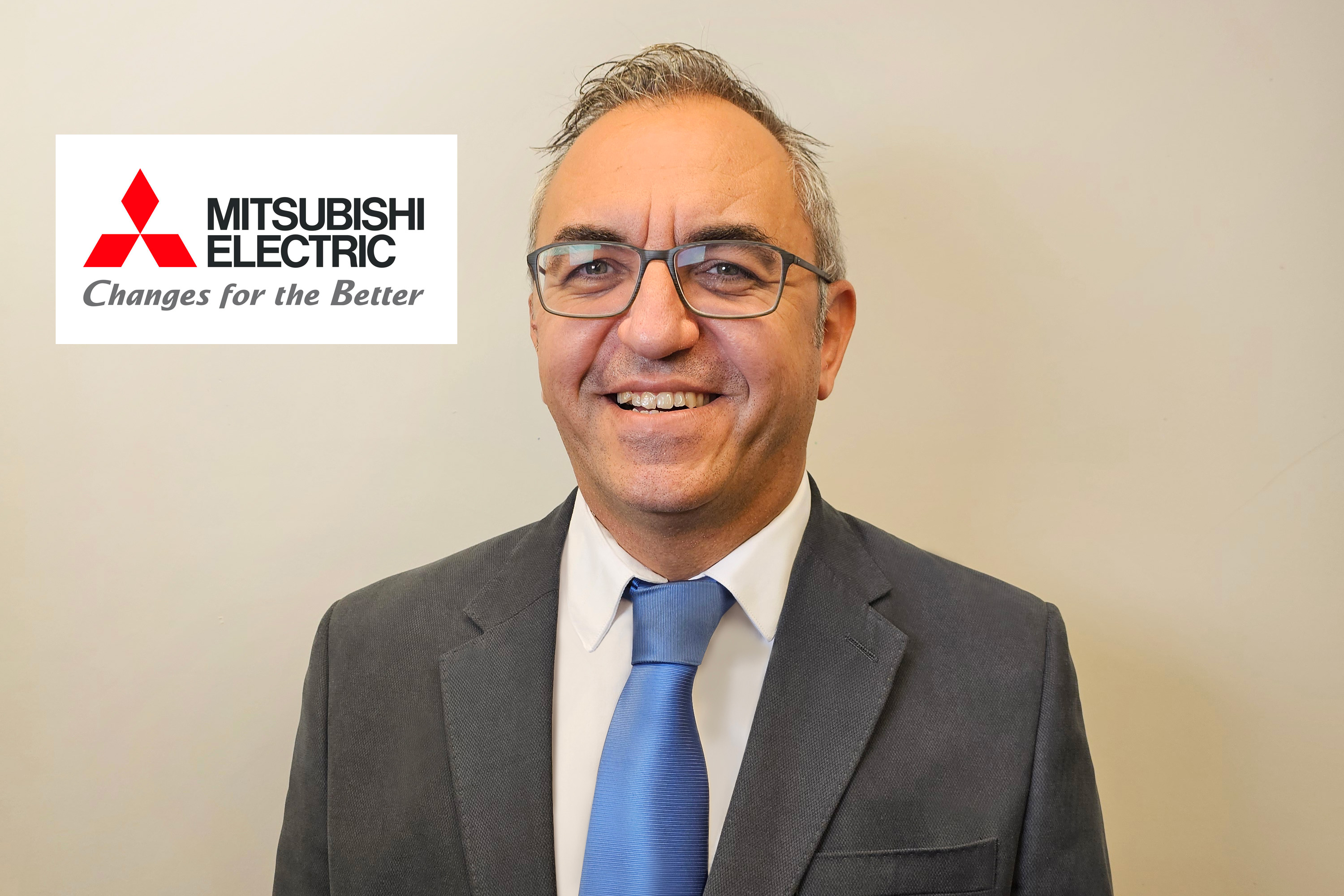
Mert Anıl, Domestic Sales Unit Manager for Factory Automation Systems at Mitsubishi Electric Türkiye, commented on the importance of a long-term perspective in automation investments:
“Evaluating the true value of an automation investment solely on the basis of its purchase cost is not enough. Energy consumption, production continuity, maintenance requirements, the ability of systems to adapt to changing production conditions and potential future needs are all important factors that determine the long-term value of an investment. We therefore believe it is important for businesses to adopt an approach that meets today’s needs while also taking future production goals into account. At Mitsubishi Electric, through our e-F@ctory approach and automation technologies that address diverse production requirements, we aim to help businesses establish a framework that considers the investment’s entire lifecycle.”
Banner Inside Article - 728x90