


A $200 Billion Investment Agenda for Türkiye’s Energy Transition Ahead of COP31
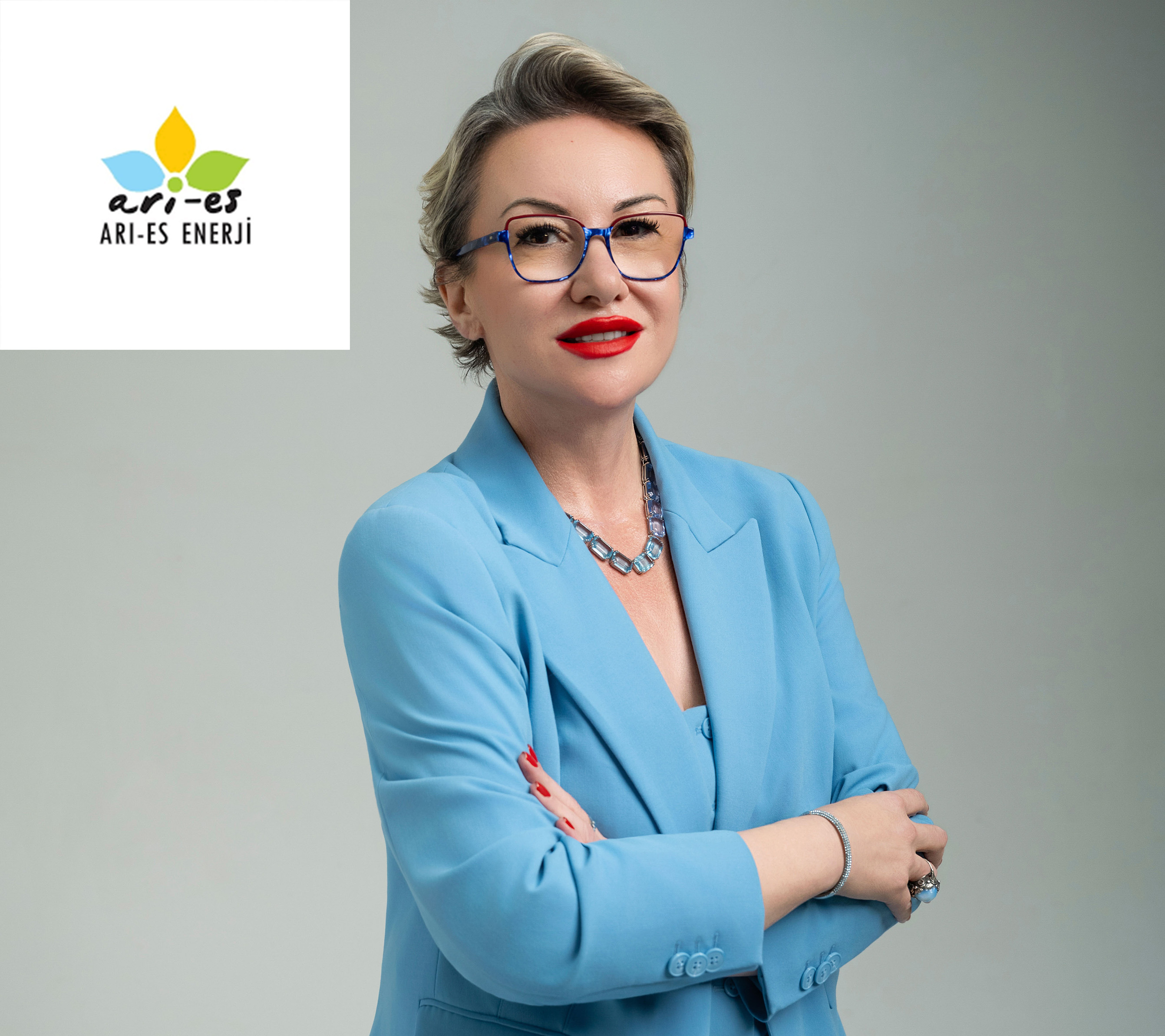
With COP31, which Türkiye will host in Antalya, just around the corner, the country’s energy transition roadmap through 2035 is drawing attention for its investment scale and implementation pace. Türkiye is targeting 120 GW of installed wind and solar capacity, with approximately $200 billion in investments, including nuclear energy, projected to support its energy transition by 2035. Emphasizing that COP31 will be a critical milestone in demonstrating how announced targets can be translated into action, Ebru Arıcı, Founder and General Manager of ARI-ES Enerji, said, “We must show the world not only our targets but also our ability to turn these targets into investments.”
The 2035 roadmap shared by Minister of Energy and Natural Resources Alparslan Bayraktar highlights the need for substantial financing and a robust grid infrastructure alongside new generation capacity. Türkiye is expected to invest approximately $80 billion in transmission and distribution infrastructure by 2035.
COP31’s Energy Agenda Aligns with Türkiye’s 2035 Targets
Designed as an “Implementation COP” focused on putting previous decisions into practice, COP31 has identified “Clean Energy Transition and Electrification” as one of the 10 priority areas in the Presidency’s Action Agenda. Türkiye’s energy transition similarly requires not only the deployment of new wind and solar capacity but also the expansion of grid infrastructure, the development of energy storage investments, and improved access to financing.
Drawing attention to this alignment, Arıcı said, “A significant portion of the issues the world will discuss at COP31 are already on the agenda of our energy sector. As we bring new capacity into the system, we must develop grid infrastructure, storage, and financing at the same pace. Türkiye’s ability to implement these measures will also determine its position in the energy transition.”
8–9 GW of New Capacity Needed Every Year to Reach the 120 GW Target
To reach 120 GW of installed wind and solar capacity by 2035, Türkiye needs to commission an average of 8–9 GW of new capacity each year. Arıcı noted that growth on this scale requires permitting, engineering, financing, and grid connection processes to be managed in coordination.
“We need to look not only at how much capacity has been allocated, but also at how much of it translates into investment and how quickly it becomes operational. Achieving this pace depends on every link in the investment chain working simultaneously,” she said.
The Key to Accelerating Progress: A National Energy Infrastructure Master Plan and Parallel Permitting Processes
Arıcı emphasized that permitting procedures and land-use conflicts are among the most significant bottlenecks facing projects on the ground. She outlined her proposed solution as follows:
“In renewable energy projects, timelines are often determined by permits rather than engineering. Running environmental impact assessments, zoning, expropriation, and institutional approval processes in parallel, rather than making each wait for the others, can significantly shorten these timelines.
“Beyond that, we need a comprehensive National Energy Infrastructure Master Plan that sets out the country’s energy resources, growth targets, and the grid infrastructure required to support them within a single framework. If suitable areas for wind and solar projects are identified in advance through this plan, with potential conflicts involving mining, forests, agricultural land, and protected areas resolved beforehand, investors will know that sites are ready before they begin fieldwork. This would enable both domestic and international capital to mobilize much faster.”
Renewable Energy Investments Will Reduce Dependence on Imported Energy
The economic impact of new capacity is another key aspect of the energy transition. Emphasizing that renewable energy delivers economic benefits beyond meeting climate targets, Arıcı said:
“Every new investment in wind and solar should be evaluated not only in terms of emissions reductions. As the share of domestic and renewable resources in the energy system grows, our energy security strengthens and our dependence on imports decreases. We must view the energy transition as an investment program that will also strengthen Türkiye’s economic resilience.”
A Strong Track Record, a Reliable Investment Market
Türkiye’s progress in renewable energy in recent years provides a strong foundation for the period ahead. Renewables now account for 62% of total installed power capacity, while installed solar capacity has increased from 40 MW in 2014 to approximately 28 GW today. Wind power capacity has grown from 19 MW in 2005 to 15.5 GW.
Arıcı emphasized that this progress is an important source of confidence for international investors.
“Türkiye’s journey in renewable energy has been highly valuable and offers a clear indication of what lies ahead. This market, which has grown steadily through private-sector investment, is now a reliable destination for investors. Through COP31, we invite international investors to become partners in Türkiye’s energy transition. Just as ARI-ES contributed to the growth of Türkiye’s wind and solar capacity in the past, we are now part of the new electricity infrastructure taking shape around energy storage, hybrid power plants, and stronger grid infrastructure,” she said.
Implementation Must Be Türkiye’s Strongest Message at COP31
Arıcı stated that COP31 would provide an important platform for connecting Türkiye’s energy transition with international investors. She concluded:
“We need to support Türkiye’s wind and solar potential, engineering expertise, and project development capabilities with the speed of investment. The strongest message we can deliver during COP31 is to demonstrate that Türkiye stands out not only for its wind and solar potential but also for its capacity to turn that potential into investments quickly.”
About ARI-ES Enerji
ARI-ES Enerji provides services for renewable energy investments across different energy sources, including licensing, zoning plans, environmental impact assessments (EIA), international Environmental and Social Impact Assessment (ESIA) processes, expropriation, road projects, unlicensed generation permits, and technical and administrative analyses.
The company follows a comprehensive project management approach that covers every stage, from site development through construction. ARI-ES aims to contribute to the sound, predictable, and sustainable implementation of investment processes in renewable energy, particularly wind and solar power.
Banner Inside Article - 728x90