

Yazma
Today’s Cloud Choices Determine Tomorrow’s Bill
As cloud spending management becomes one of the top IT priorities for organizations, Flexera’s 2026 research shows that 85% of companies consider managing cloud costs one of their main challenges. DT Cloud CCO Orkan Aytulun emphasizes that, particularly during the year-end budgeting and procurement period, organizations should look beyond current usage costs and consider total cost of ownership, capacity requirements, contractual terms, and potential costs associated with future technology changes.
Following the transition to cloud computing, growing IT budgets are prompting organizations to take a closer look at the sources of rising costs. In addition to increased business volumes and new applications, overprovisioned resources, long-term capacity commitments, and existing technology dependencies can also drive expenses higher. According to Flexera’s 2026 State of the Cloud report, 85% of respondents identify managing cloud spending as one of their main challenges, highlighting the issue’s importance for organizations. Effective cost management requires more than monitoring current bills; it also means identifying the causes of increases and addressing the decisions that shape budgets from the outset.
DT Cloud, the local cloud provider of Digital Türkiye, emphasizes that cloud investments should be evaluated not only in terms of where applications run and which resources they use, but also in terms of the cost structures these choices create and the conditions under which they can be changed in the future. The FinOps Foundation’s 2026 State of FinOps report also indicates that cost management is being integrated into engineering and product development processes at earlier stages. The ability to estimate cloud architecture costs before systems go live is among the key needs highlighted in the report.
Every Application Has Different Capacity and Availability Requirements
An application that processes transactions in real time has different capacity, latency, and downtime tolerance requirements from a system that generates reports at regular intervals. Reflecting these differences in infrastructure decisions helps organizations allocate computing power, storage, and redundancy according to actual needs. Applying the same capacity and redundancy approach to every application, however, can lead to organizations paying for resources that some systems do not use.
For this reason, it is important to understand the total cost of the required resources, rather than focusing solely on unit prices, before making an investment decision. Modeling resources alongside computing power, storage, networking, and other services enables organizations to compare different scenarios more effectively and assess total cost of ownership (TCO) at the beginning of the decision-making process.
In line with this approach, DT Cloud aims to make its pricing structure as predictable as possible. Through the Cloud Cost Calculator available on its platform, organizations can select the resources they need, view estimated costs, and generate a quotation document. For more complex or organization-specific architectures, the same process can be expanded through needs assessments and comparisons of different procurement models.
Public cloud, private cloud, and edge computing options should also be evaluated according to how each application operates. Where data is generated, where it is processed, and how frequently it moves between systems all affect capacity, connectivity, and operating expenses. Therefore, these options should be compared not only on the basis of initial investment or monthly service fees, but also according to the total cost of delivering the performance and availability an application requires.
Resource requirements can change over time. The ability to adjust capacity when demand declines is also an important part of budget management. This requires organizations to evaluate not only technical capabilities but also capacity reduction terms, minimum usage commitments, and contract durations during the investment phase. Particularly during year-end budgeting and procurement periods, organizations can gain a more accurate view of costs by deciding whether to purchase infrastructure or consume it as a service based on both capital expenditure (CapEx) and operating expenditure (OpEx) implications, rather than initial costs alone.
Technology Dependencies Also Affect Future Budgets
An organization may need to consider alternatives when the licensing or service terms of its existing technology change. However, moving to a more affordable option may require application modifications, data migration, and additional time and expertise. Preparations to maintain service continuity during the transition can also add to the cost. The total cost of these activities determines how much of the apparent price advantage translates into actual savings.
In this context, a cloud provider’s ability to reduce not only operating costs but also migration expenses and the operational burden of switching becomes increasingly important. Moving existing infrastructure to a different cloud environment involves technical planning, data transfer, application compatibility, and continuity considerations. Commercial and technical models that facilitate migration therefore become part of the overall investment calculation, particularly for organizations preparing to modernize their existing infrastructure.
DT Cloud’s migration approach is designed to facilitate organizations’ transition to local cloud infrastructures that comply with applicable regulations. The objective is not simply to move infrastructure from one environment to another, but to establish a more sustainable structure in which organizations can assess migration costs, operational risks, and technology dependencies together. The ability to manage data and critical infrastructure within Türkiye is also an important consideration in terms of digital sovereignty and regulatory compliance, alongside cost.
DT Cloud evaluates public cloud, private cloud, and edge computing solutions together to address the varying needs of different applications. The local control plane within its Over-Cloud management layer enables the platform to be managed and controlled locally, with intervention available when needed. Meanwhile, the Under-Cloud infrastructure abstraction layer allows different vendors and technologies to be managed through a common platform, helping organizations reduce technology dependency.
Selecting the right environment for each workload, scaling infrastructure, and maintaining compatibility with different technologies are important to implementing cost-related decisions. To determine the actual economic benefits of a technology change, organizations need to assess application dependencies, required technical adaptations, migration costs, and the total cost of ownership of the new model together.
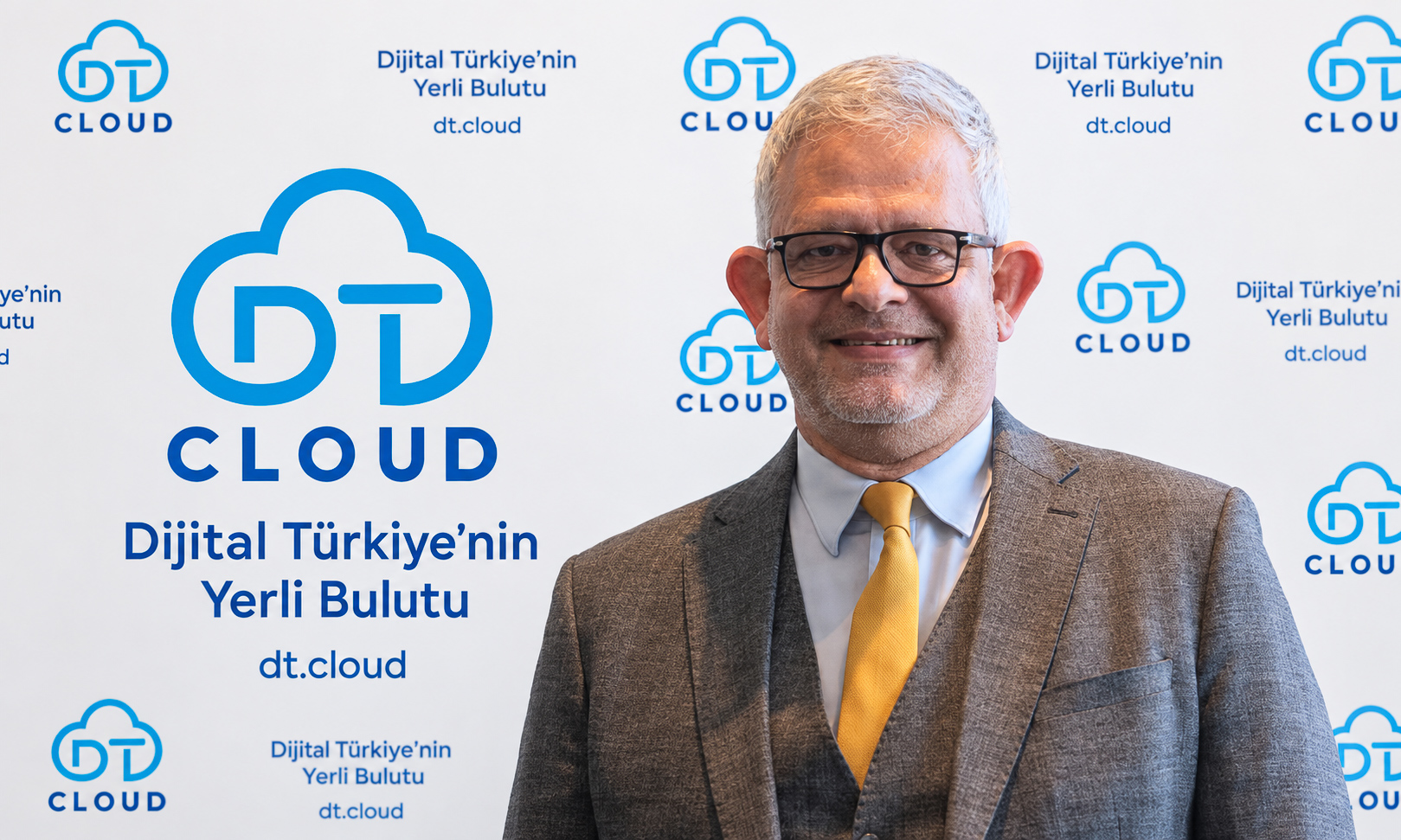
Commenting on the issue, DT Cloud CCO Orkan Aytulun said:
“When investing in cloud, looking only at how much you will pay today is not enough. Organizations need to consider resource requirements, commitments, CapEx and OpEx implications, and the cost of switching to another technology if necessary when making procurement decisions. Transparency is critical in this process. Being able to estimate the cost of the resources you will use before making an investment decision and compare different scenarios strengthens budget management.
“Cloud architecture also shapes an organization’s bargaining power in the future. At DT Cloud, we develop our local control plane, our architecture that supports different technologies, and our migration models with this understanding in mind. We believe it is important for organizations to meet their current needs while preserving the freedom to make different choices in the future.”
Sources
- Flexera Finds Cloud Value Is Rising While AI Waste Grows
- State of FinOps 2026 Report
Banner Inside Article - 728x90