




TCL’s SQD-Mini LED strategy: More than a television brightness race
TV Systems
Hits: 4
The brightest picture in a showroom is easy to notice. The harder question is how that television will handle faces, shadow detail and a moving football in your own room. Those are the questions worth asking of TCL’s SQD-Mini LED range in Türkiye. The C8L, C7L and Q7D Pro are not simply different screen sizes: their position in the range also reflects differences in light control and picture capabilities.
This is a technology analysis based on official Turkish product pages and announcements, not a laboratory test. Manufacturer specifications are not presented as our measurements. The timing also matters: the Turkish launch took place on 9 June 2026, and the official announcement was published on 22 June. These are not newly announced November televisions. The purpose here is to examine where the currently offered range fits.
Mini LED is not a smaller form of OLED
The names can be confusing, but the architectures are different. OLED pixels emit their own light. A Mini LED television uses many small light sources behind an LCD image layer. Groups of those sources can be dimmed to balance bright and dark areas. SQD-Mini LED belongs to this second family; it is not another type of OLED.
TCL’s approach optimises the interaction between a blue Mini LED backlight, a quantum-dot layer and colour filters. The goal is not merely to produce more light, but to turn it into the desired colours more precisely. In everyday viewing, that could help preserve colour in bright skies or detail within strong reds. Potential and actual performance are not identical, however: the panel, software, picture mode and source material all contribute to the result.
The same C8L name does not mean identical specifications
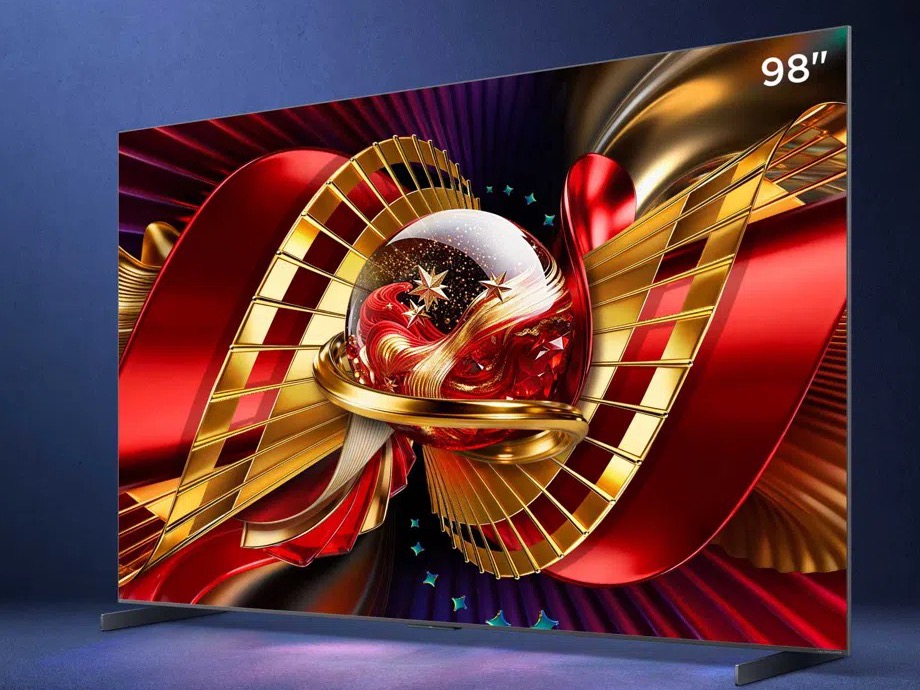
Screen-size differences are among the easiest details to miss when shopping. TCL’s Turkish 98C8L page lists 4,032 dimming zones and HDR brightness of up to 6,000 nits. The 65C8L page instead lists 2,040 zones and up to 5,000 nits. Both belong to the same family, but the largest model’s figures should not be applied to every size.
| Model | Listed dimming zones | Manufacturer’s HDR brightness claim |
|---|---|---|
| TCL 98C8L | 4,032 | Up to 6,000 nits |
| TCL 65C8L | 2,040 | Up to 5,000 nits |
These are manufacturer claims under particular conditions. They do not mean the entire screen will sustain that brightness continuously. A small reflection, sun or headlight can produce a different result from a large white image. Rather than asking only for the highest nit figure, examine how brightness and colour are maintained in the picture mode you will actually use.
Where do C7L and Q7D Pro fit?
The Turkish announcement places C7L below C8L and lists a native 144 Hz refresh rate together with Game Accelerator operation up to 288 Hz. Q7D Pro covers 55-, 65- and 75-inch sizes, also addressing smaller living spaces. Its announcement lists native 4K 144 Hz, VRR up to 288 Hz and ONKYO 2.1-channel audio.
The 288 Hz figure deserves care. An accelerated mode does not necessarily operate at every resolution or on every input. Console and PC users should check the exact model’s supported combinations of resolution and refresh rate. What matters is not the largest number on the box but the mode available with your own device.
Colour volume is not the same as colour accuracy
A wide colour gamut describes the range of colours a screen can reproduce. Accuracy describes whether it reproduces the colour that should be there. These are different qualities. An excessively warm face or fluorescent-looking grass is not evidence that a television is using its capabilities well.
For photography and cinema, the priorities include natural skin tones, smooth tonal transitions, neutral whites and shadows that retain detail. Excessive sharpening can add artificial outlines. Aggressive motion smoothing can change the character of a film. A showroom demonstration setting should not be confused with the cinema mode you may prefer at home.
White subtitles on a dark background provide a useful check. With LCD local dimming, shared lighting zones can create a halo around a bright object. Zone count matters, but does not settle the issue by itself. The algorithm’s ability to preserve a highlight while controlling neighbouring darkness is equally important.
Separate competitive claims from independent evidence
TCL’s SQD page claims more stable colour-gamut performance and more precise light control than RGB-Mini LED. That explains the brand’s competitive positioning; it is not an independent comparison test. Establishing a winner against Hisense’s RGB approach would require comparable sizes and price classes, the same picture modes and content, and a consistent measurement method. Brightness or colour figures produced under different manufacturers’ conditions cannot support a definitive verdict by themselves.
Who should consider this range?
The range is worth investigating for viewers who watch sport in a bright living room, want a large screen and use one television for many types of content. Film-focused buyers should pay particular attention to dark scenes, viewing angle and light around subtitles. Gamers should separately check input lag, VRR and the capabilities of the HDMI inputs they plan to use.
A final decision should not rest on a panel label or the name attached to the audio system. Compare screen size within your budget, viewing distance, warranty conditions and service coverage. TCL’s SQD-Mini LED approach makes an ambitious case for colour and brightness. A good purchase starts with understanding what those capabilities mean in your room, with your viewing habits.
Sources and method
TCL SQD technology explanation: https://www.tcl.com/tr/tr/sqd-mini-led-tv
TCL 98C7L: https://www.tcl.com/tr/tr/tvs/98c7l
TCL Türkiye launch announcement: https://www.tcl.com/tr/tr/news/tcl-unveils-its-2026-sqd-mini-led-tv-series-in-turkiye
TCL 98C8L: https://www.tcl.com/tr/tr/tvs/c8l
TCL 65C8L: https://www.tcl.com/tr/tr/tvs/65c8l
Checked on 8 November 2026. This article does not claim hands-on use or laboratory testing. Specifications are manufacturer statements for the models identified.
Dji Banner Inside Article - 728x90



