




Instagram expands AI age estimation worldwide
AI News
Hits: 7
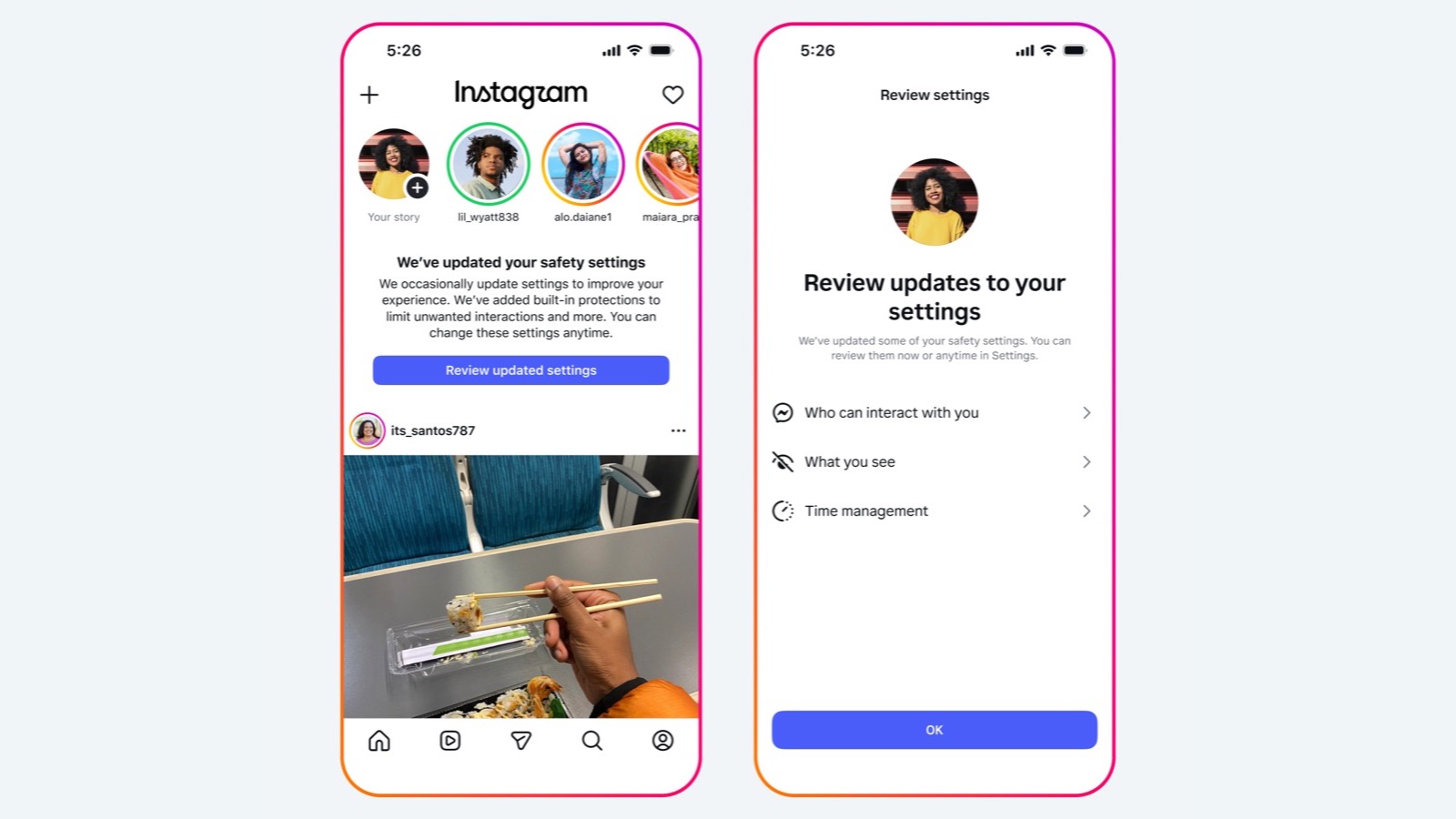
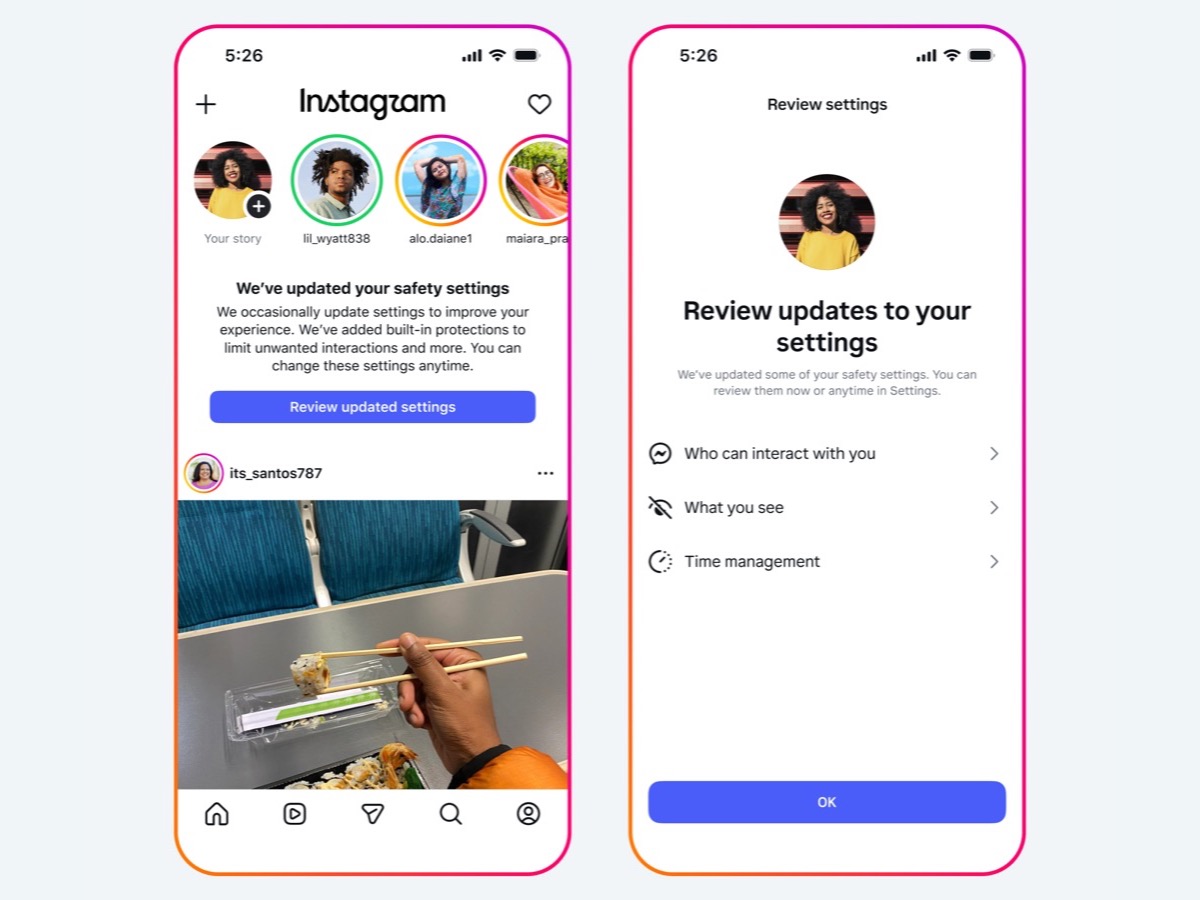
Meta is expanding the AI-powered age-estimation technology it uses to identify teenagers on Instagram worldwide. Announced on November 9, the move is intended to place millions more young users in Teen Account protections, including those who entered an adult date of birth.
The change concerns age estimation, not the introduction of Teen Accounts
Teen Accounts on Instagram, Facebook and Messenger provide built-in protections limiting who can contact young users, the content they see and their time on the apps. Applying those settings to the right accounts depends on understanding users’ ages. Some teenagers, however, give an older date of birth to access experiences intended for adults.
Meta says it has worked with experts for more than a decade on tools for teenagers and families. Its existing technology estimates whether an account may belong to a teen even when the account lists an adult birthday, then places that user in age-appropriate protections. The latest announcement expands this technology globally on Instagram; it is not the original launch of Teen Accounts.
The company says earlier results encouraged the expansion. Its announcement does not provide an accuracy rate or guarantee that every incorrect age declaration will be detected. Age estimation should therefore not be treated as flawless identity verification that conclusively proves every user’s age.
Facebook rollout continues, with Threads planned later this year
Meta is continuing to roll out this approach on Facebook. It plans to begin launching similar technology globally on Threads later this year. The timelines for those services are therefore different from the global Instagram expansion announced now.
The company presents the work as part of commitments under its agreement with 52 bipartisan attorneys general across US states, territories and the District of Columbia. Those commitments include investing in stronger technology to proactively identify accounts that may belong to children under 13, as well as improving identification of accounts likely to belong to teenagers aged 13–17 even when they provide an adult birthday.
Information for US parents and a guide available worldwide
This month, parents in the United States will begin seeing an Instagram in-feed video explaining how Meta places teenagers in age-appropriate protections. The video will link to an article by internet safety advocate Larry Magid, President and CEO of ConnectSafely.
The article covers keeping children under 13 off the platforms, providing age-appropriate experiences for teens and helping parents ensure their children give accurate age information online. Although the in-feed information is being introduced in the US, the linked guide is available to parents worldwide.
Apple’s age-range signal is being used in Australia
Meta has also begun using Apple’s age-range signal as an additional method in Australia. In the process described by Meta, a parent setting up a teenager’s smartphone can allow the app store to confirm the device user’s age and assign an age range. When the teenager downloads an app, Apple passes the range to the developer so it can determine whether the user meets the app’s age requirement.
Meta says its use of the signal is voluntary. The company supports legislation requiring age verification and parental consent at the app-store level, with a verified signal shared consistently with apps. It argues that this would be more effective and privacy-preserving than asking every platform to verify age separately. These are the company’s policy positions, not an announcement that the process is now mandatory worldwide.
Balancing age assurance and privacy
Meta points to the growing number of online child-safety laws and the absence of a consistent approach to determining age. It argues that some laws call for intrusive checks for everyone, while others leave companies to decide how to establish age without unnecessarily collecting sensitive information such as government-issued identification.
In Meta’s proposed approach, developers’ age-estimation systems could act as a backstop when app-store information is incorrect, allowing corrections to be sent back to the store and reflected across other apps. The company also repeats its call for TikTok and YouTube to adopt similar practices, saying its own apps are only part of teenagers’ online lives. The geographical distinction remains important: the worldwide expansion concerns Instagram’s age estimation, while the Apple signal and parent notifications have the country-specific scopes described in the announcement.
Source: Meta Newsroom, November 9, 2026.
Dji Banner Inside Article - 728x90



