




IAEC 2026 explores automotive engineering’s transformation
Events
Hits: 6
The 11th IAEC in Istanbul brought industry and academia together to examine electrification, autonomous technologies, hydrogen and alternative energy for future mobility.
Dji Banner Inside Article - 728x90

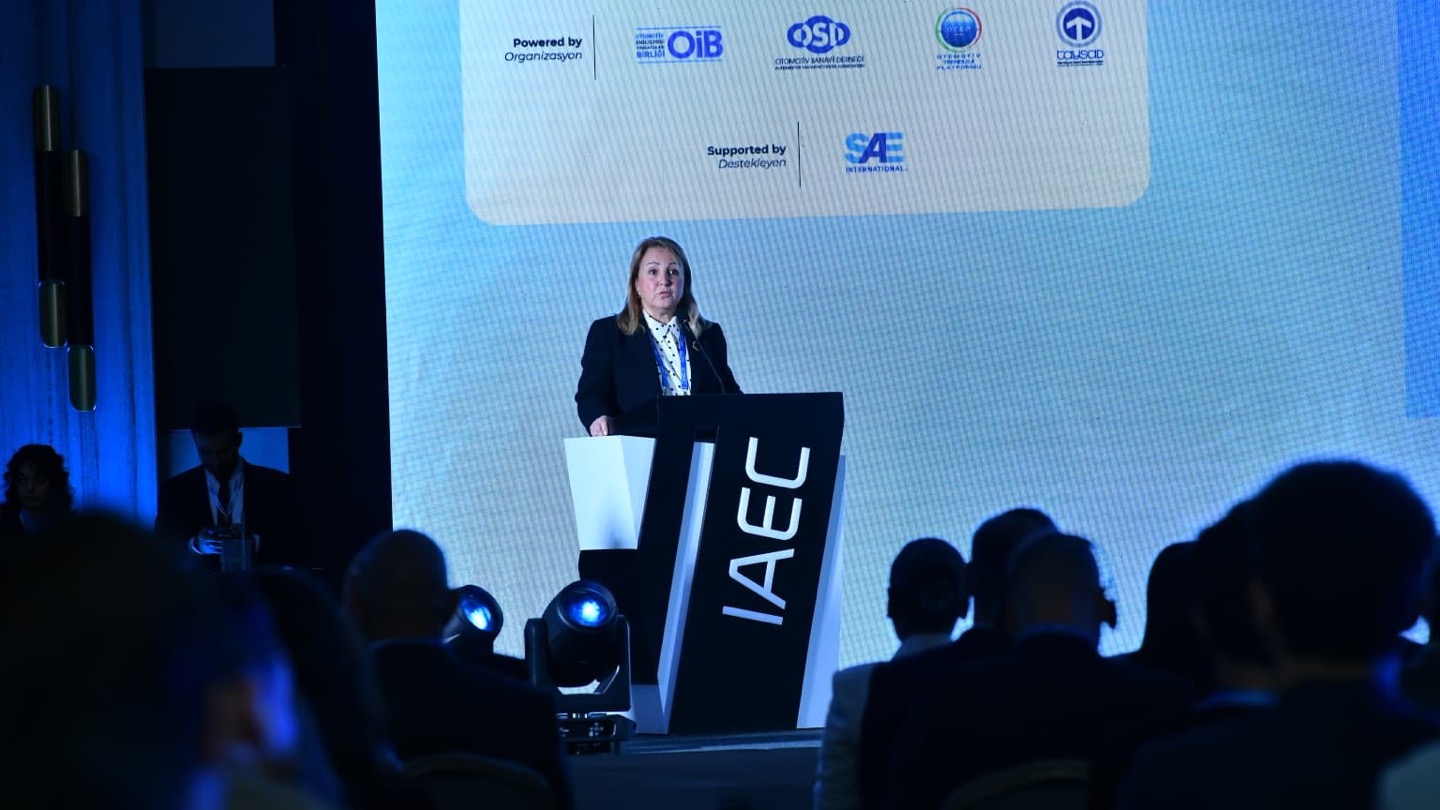
The engineering dimensions of automotive transformation were examined at the 11th International Automotive Engineering Conference, IAEC. Held in Istanbul under the theme “Future Mobility Systems”, the conference brought developments in advanced powertrains, autonomous technologies and alternative energy sources onto the industry agenda. International experts and academics discussed the engineering solutions required by next-generation mobility and the effects of technological change on the sector.
From electrification and autonomous driving to low-carbon fuels and new energy solutions, technological change is expanding the scope of automotive engineering. Its implications for mobility systems were discussed at IAEC, held at the Sheraton Grand Istanbul Ataşehir. Chaired by Prof. Dr. Zehra Yumurtacı, Dean of the Faculty of Mechanical Engineering at Yıldız Technical University, the 11th conference considered the technical and strategic aspects of technologies shaping the future of the automobile.
Industry and academia look at mobility together
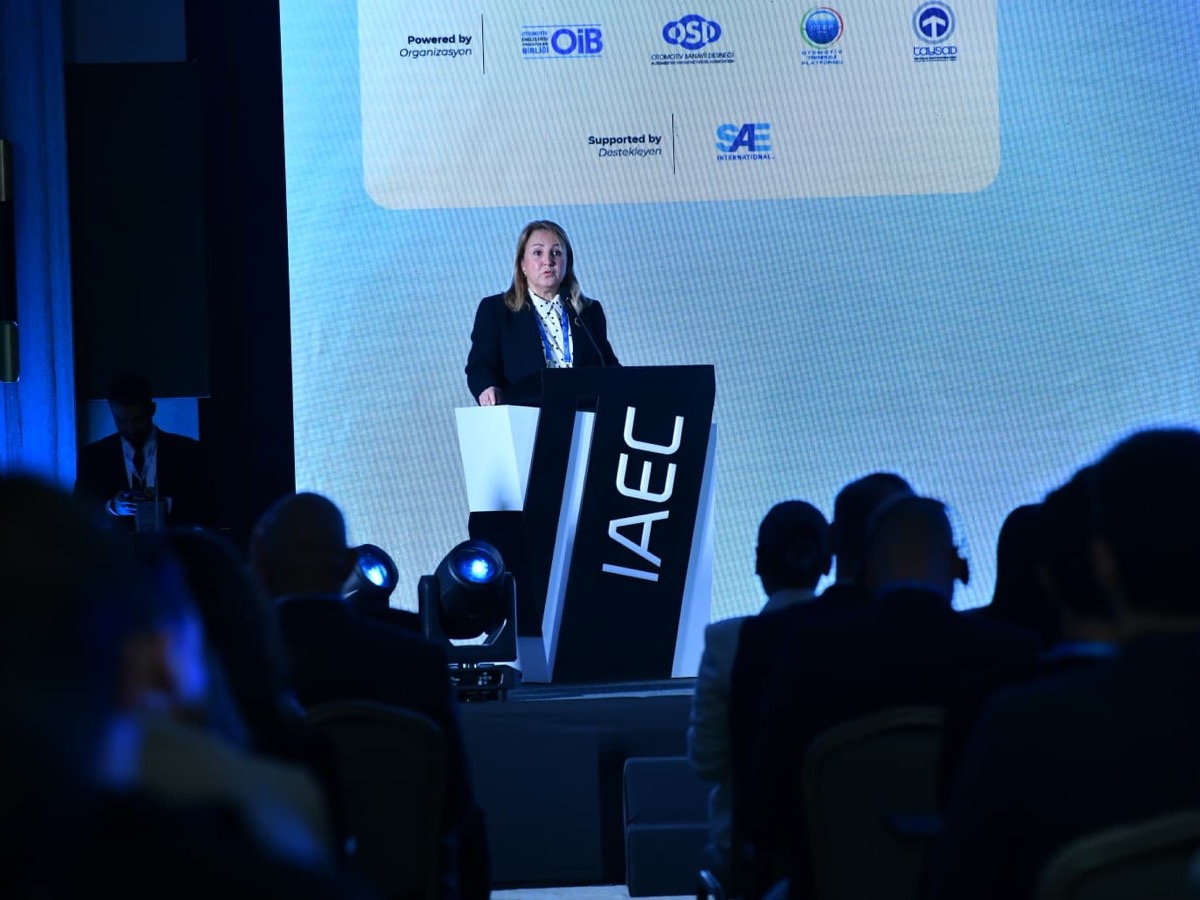
Organised by OİB, the Uludağ Automotive Industry Exporters’ Association; OSD, the Automotive Manufacturers Association; OTEP, the Automotive Technology Platform; and TAYSAD, the Automotive Suppliers Association of Türkiye, with support from SAE, the Society of Automotive Engineers, IAEC 2026 brought together industry professionals, academics and entrepreneurs. New technologies, research and applications framed discussions on the transformation of automotive engineering. The programme linked subjects ranging from vehicle power and energy requirements to autonomous systems, offering a broad view of future mobility. Previous IAEC conference chairs received plaques on stage in recognition of their contributions to the event’s development.
Successful transformation depends on integrating technologies
In her opening speech, conference chair Prof. Dr. Zehra Yumurtacı emphasised that automotive transformation encompasses the entire energy and transport ecosystem. She argued that future success cannot be measured solely by a technology’s high performance in a laboratory:
“Suitability for mass production, economic viability, reliability and environmental effects must be assessed together. While internal combustion engines, hybrid systems and electric vehicles continue to play roles in different applications, our aim should be to improve energy efficiency and integrate the strengths of these technologies. In batteries, safety, service life and recyclability will be as decisive as cost and charging performance.”
Yumurtacı said transport’s environmental impact requires an approach covering every stage from energy production to its final use:
“As vehicles communicating with each other and with infrastructure change mobility in autonomous transport, the success of this transformation will depend not only on AI and sensor technologies but also on functional safety, cybersecurity, infrastructure and the human factor. Turning these complementary technologies into concrete solutions requires knowledge produced at universities to reach industry, while industry’s needs must guide academic research. By bringing academic knowledge, industrial experience and young researchers’ innovative ideas together, I believe IAEC will make an important contribution to collaborations developing the automotive technologies of the future.”
Powertrain transformation and low-carbon technologies
The morning keynote was delivered by Prof. Dr. İbrahim Dinçer of Ontario Tech University’s Department of Mechanical Engineering. He considered the energy transition within the framework of future mobility systems, discussing opportunities and developments in hydrogen technologies, an area connected with his work on energy technologies and sustainable transport.
The “Advanced Powertrain Systems” session, chaired by Prof. Dr. Kadir Aydın of OSTİM Technical University’s Department of Mechanical Engineering, examined changing powertrain technologies and low-carbon solutions. Speakers included Guillermo de Paz Alcolado, H2 and Low-Carbon Fuel Strategy Leader at Horse Powertrain; Volker Ambrosius, Senior Technical Consultant and Technical Sales Manager for E-Drives; and Dr. Matthias Holzer, Global Head of Strategy for Transmissions and Hybrid Systems at ZF Group.
Autonomous systems from an engineering perspective
The afternoon programme began with a keynote by Simon Curwood, Vehicle Hardware Systems Engineering Leader at Ford Otosan. The subsequent “Autonomous Technologies” session explored the role of new technologies in automotive engineering and developments in autonomous systems. Chaired by Prof. Dr. Gözde Bozdağı Akar of Middle East Technical University, the session featured Dr. Sinan Öncü of Boğaziçi University’s Department of Mechanical Engineering, Maxime François, Technical Account Manager at MathWorks, and Dr. Reza Vatankhah Barenji, Principal Lecturer in Engineering at Nottingham Trent University. It examined autonomous technologies through different areas of academic and industrial expertise.
New-generation solutions for mobility’s energy needs
The “Alternative Energy Sources” session considered technologies addressing the energy needs of future mobility systems. Chaired by Associate Prof. Dr. Yasin Karagöz of Yıldız Technical University’s Department of Mechanical Engineering, it featured Associate Prof. Dr. Mehmet Nurullah Ateş, a Boğaziçi University academic, Aspilsan board member and Togg board adviser; Assistant Prof. Dr. Nurhan Üregen Güler of Yıldız Technical University’s Department of Mechanical Engineering; and Onur Akkozak, R&D and Renault Technology Türkiye Engineering Director at Oyak Renault Automobile Factories. They examined changes in mobility’s energy use through alternative resources and next-generation solutions.
Sponsors and industry–academia exchange
Platinum sponsor Tofaş Türk Otomobil Fabrikası A.Ş. supported IAEC 2026’s vision through its experience in R&D, production and engineering and its role in Türkiye’s automotive industry. Its support also helped promote knowledge sharing between industry and academia. Kiran Cable Protection Products Private Limited was the gold sponsor, while infoTRON sponsored the plaques.
Source: IAEC 2026 press release.


