




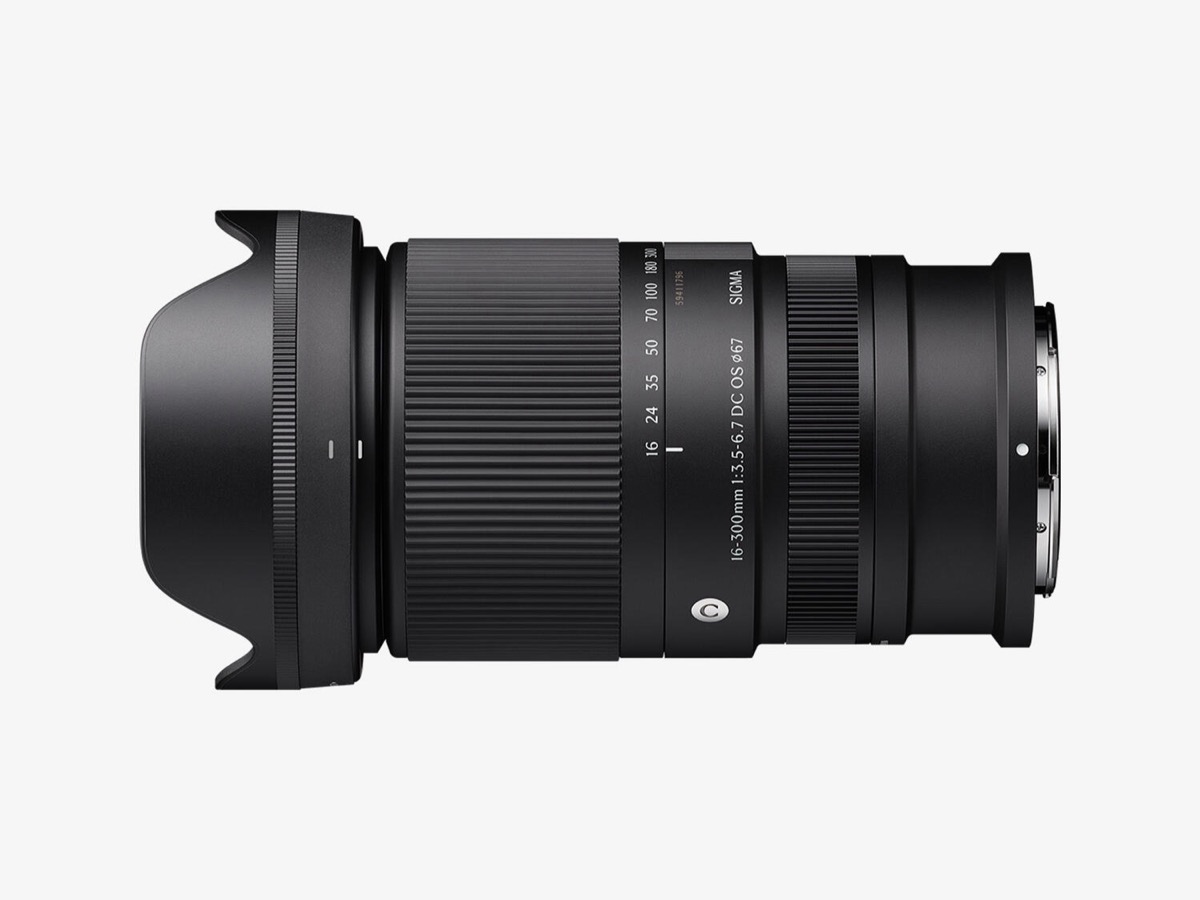
Sigma 16–300mm arrives for Nikon Z: One lens from wide scenes to distant details
Cameras
Hits: 5
Sigma has announced a November 5, 2026 launch date for the Nikon Z version of its 16–300mm F3.5–6.7 DC OS Contemporary lens. The schedule was published on October 8, and the lens is designed for APS-C mirrorless cameras. The distinction for Turkish buyers is important: an international launch date does not, by itself, establish local stock, delivery dates or a confirmed Turkish retail price.
The real question is how much equipment to carry
An all-in-one zoom should not be judged solely by the longest number printed on its barrel. On a trip, moving from an open square to a distant architectural detail can mean opening a bag, changing lenses and rebuilding the composition. The attraction of a single-lens setup is the reduction in those interruptions. That can matter on dusty routes, boat excursions or organised tours where stopping repeatedly is not always practical.
The Nikon Z version offers an approximately 18.8x zoom range. On an APS-C body, its field of view corresponds to approximately 24–450mm in 35mm-format terms. This does not physically change the focal length: it describes how much of the scene fits into the frame. A wide landscape and a distant bird may be two subjects encountered on the same walk, but a 450mm-equivalent field of view should not be confused with unlimited reach for every wildlife situation.
A useful detail for close-up work
The product specification lists a maximum reproduction ratio of 1:2 at 70mm. That creates opportunities for flowers, small objects and textures discovered while travelling. It is not the same as the life-size reproduction offered by a 1:1 macro lens. Working distance, lighting access and depth of field still need attention; magnification is only one element of a successful close-up photograph.
The Nikon Z model weighs 630g and uses 67mm filters. Figures for different mount versions should not be mixed together when comparing a purchase. More importantly, the combined balance of lens and camera can matter as much as the stated lens weight. Straps, bag layout and the speed of accessing equipment all affect the experience of carrying a camera for an entire day.
Stabilization does not freeze a moving subject
Sigma specifies six stops of optical stabilization at the wide end and 4.5 stops at the telephoto end. Those are manufacturer figures obtained under stated CIPA conditions, not a promise that every photographer will achieve the same result. Stabilization can compensate for camera movement, but it cannot stop a running person or a bird in flight. Shutter speed still has to match the subject’s movement, its direction and the available light.
The variable maximum aperture is another part of that calculation. At the long end, f/6.7 can require a higher ISO setting or a slower exposure when light falls. The lens therefore makes most sense as a practical way of accessing different subjects without repeated equipment changes, rather than as a universal replacement for a fast prime. Before purchasing, users should check camera compatibility, relevant sample photographs, local warranty arrangements and actual availability. This article is a usage-focused reading of the official announcement and specifications, not a claim that Fibona has completed an independent optical or autofocus test.


