




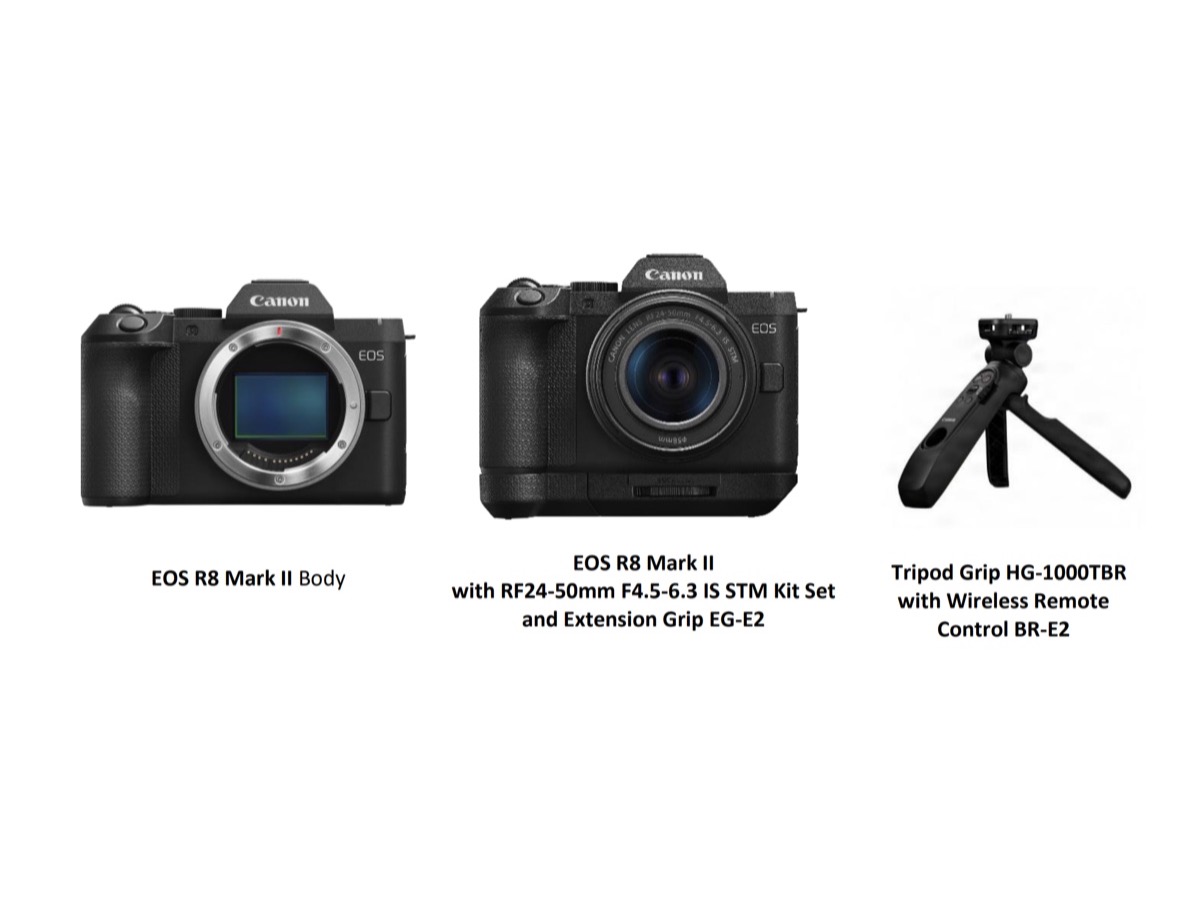
Canon EOS R8 Mark II: The travel-camera upgrade is about more than speed
Cameras
Hits: 6
The Canon EOS R8 Mark II is one of the recent options combining a compact full-frame body with more extensive shooting controls. It was announced on September 16, 2026, while Canon Hong Kong dated the start of sales in its own market to October 21. The camera has also been covered by Gezgin Foto. None of those dates should be treated as proof of identical availability in Turkey; local pricing and stock have not been verified for this article.
Why stabilization matters in a compact body
The camera uses a 24.2-megapixel full-frame sensor, weighs approximately 546g with battery and card, and adds five-axis in-body image stabilization. Canon quotes compensation of up to 7.5 stops at the centre under specified test conditions with a suitable lens. That figure is not a fixed outcome for every lens, shutter speed or photographer.
For still photography, the clearest practical benefit is a greater opportunity to work handheld at slower shutter speeds when the subject is not moving. A museum interior or an architectural detail at dusk is an obvious example. The required exposure time for a walking person is a different issue. Stabilization may correct movement of the camera, while the subject’s movement can still leave a blur. ISO, aperture and subject motion therefore remain linked decisions rather than problems that one headline specification automatically solves.
What happens before the decisive moment?
Canon lists electronic-shutter shooting at up to 40 frames per second and pre-continuous shooting that can retain up to 20 frames before the shutter button is fully pressed. Pre-capture depends on specified shooting settings. The electronic shutter also does not eliminate the possibility of rolling-shutter distortion in fast movement, so the advertised rate should not be presented as a guarantee of perfect action photographs in every environment.
Pre-capture can help bridge the short interval between an event beginning and the photographer reacting. Nevertheless, a strong photograph is about more than how many files fit into a second. Anticipating movement, choosing a clear background and establishing the right viewpoint can be more valuable than selecting from a lengthy burst afterwards. Producing additional frames also increases the time needed for selection, storage and archiving.
Consider the card slot and the wider workflow
The official manual lists a single UHS-II-compatible SD card slot. For assignments that require simultaneous copies on two cards, that detail deserves attention before the maximum shooting rate. The manual also distinguishes burst capacities by recording format and test conditions; RAW and JPEG should not be assumed to have identical buffer limits.
For video, the camera provides 6K-oversampled 4K at up to 60p, Canon Log 3 and additional colour-workflow options. Those capabilities provide more room for production decisions, but they also introduce requirements for suitable cards, storage and editing hardware. The value of a travel camera is therefore not determined solely by the length of its specification sheet. Overall size with the intended lenses, handling, battery planning and a dependable backup routine all belong in the assessment. This is a report based on official documentation, not an independent field test of image quality or autofocus performance.
Sources: Canon · Canon · Canon · Gezgin Foto


