




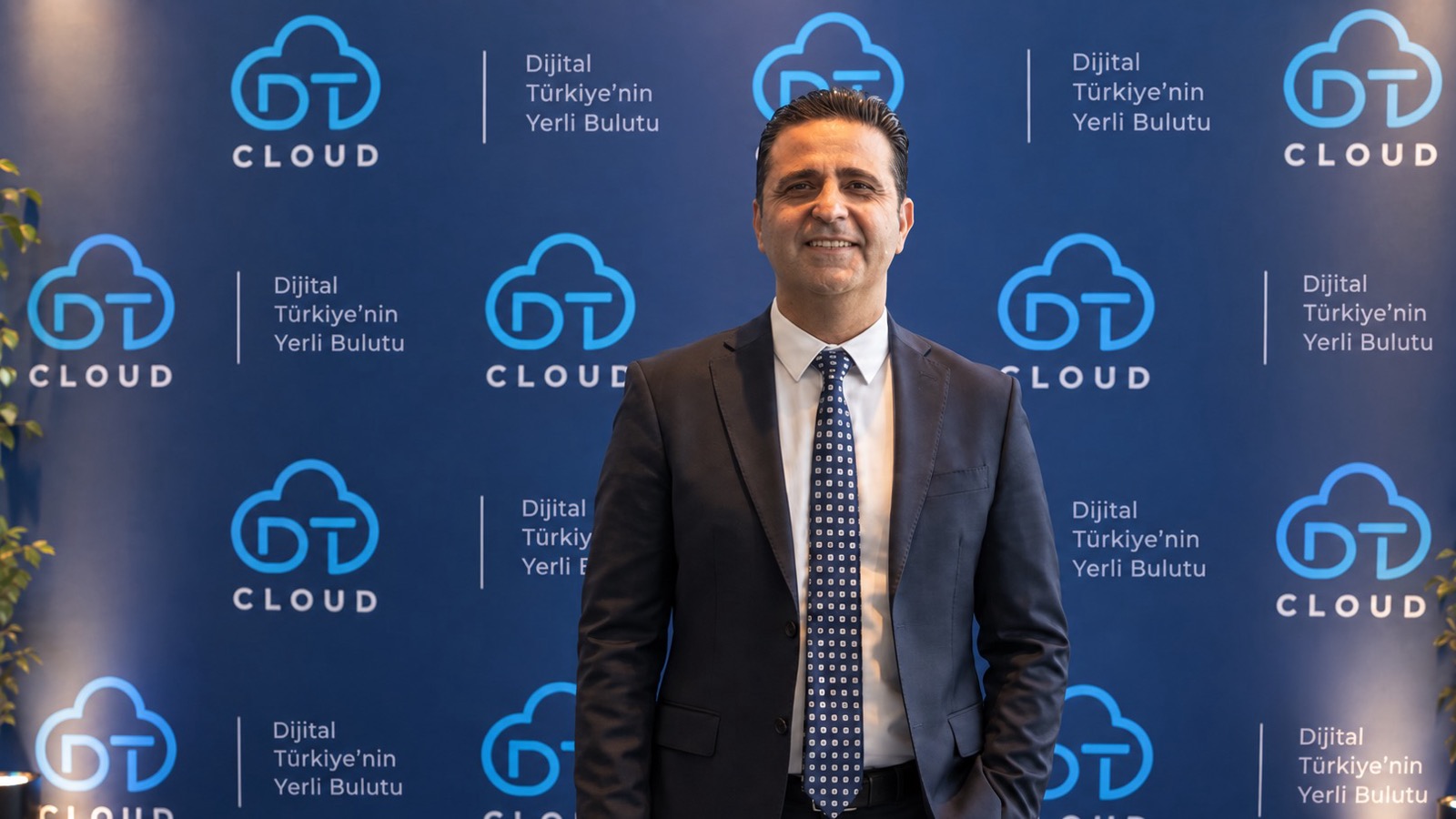
DT Cloud outlines an AI-supported approach to digital immunity
Security
Hits: 4
DT Cloud combines access management, AI-supported threat analysis, observability and secure backups in an approach focused on limiting breaches and restoring operations.
Dji Banner Inside Article - 728x90

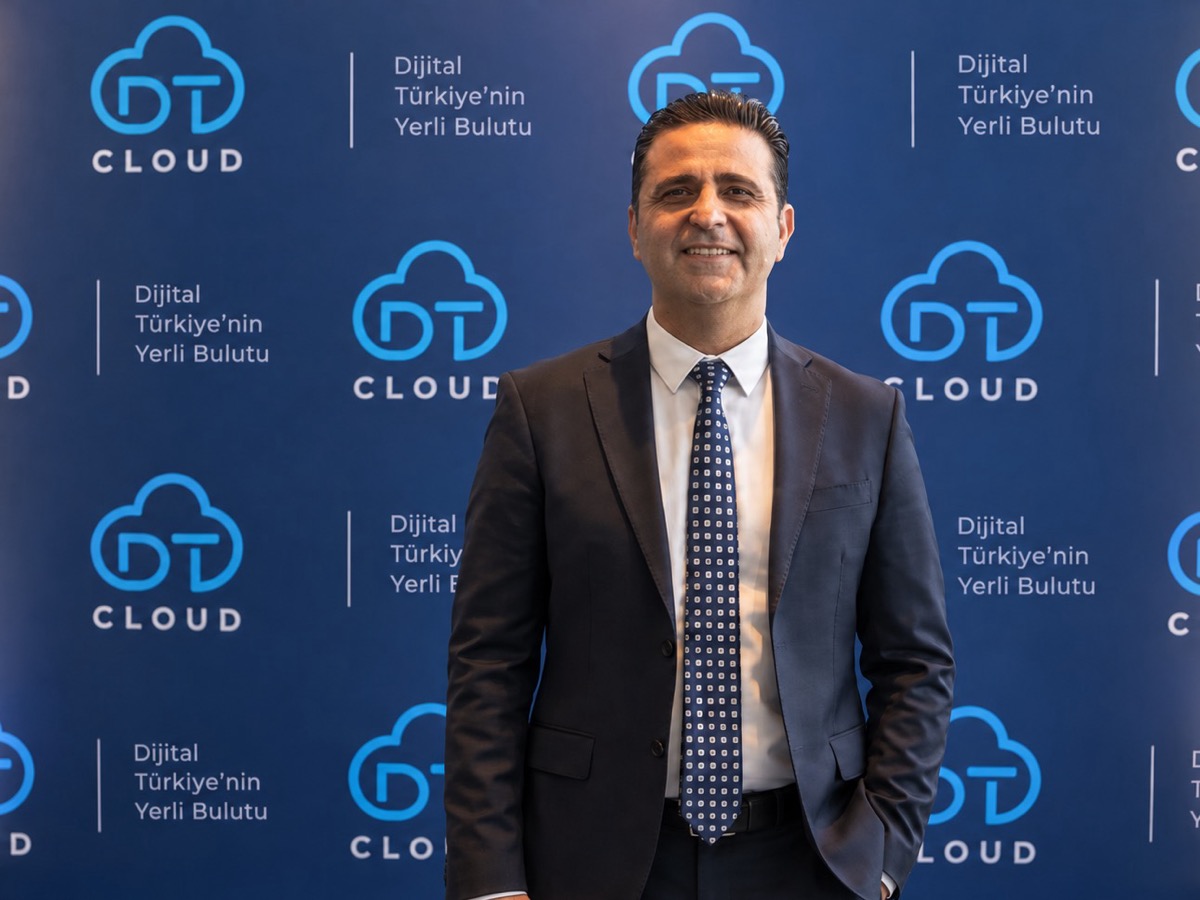
As AI makes cyberthreats faster and more complex, limiting the effects of a breach and maintaining business continuity are becoming as important as preventing attacks. DT Cloud General Manager Serdar Yokuş argues that resilience requires an integrated defence approach: “Real security is not about completely blocking an attack; it is about how an organisation stays standing when an attack happens and how quickly it can recover.”
Developments in AI are changing both threats and defences in cybersecurity. Attackers’ use of AI for target analysis, vulnerability identification and attack automation means organisations need to reassess traditional precautions. Focusing solely on prevention is no longer sufficient. How early a breach is detected, which systems it can reach and how quickly operations can be restored are also becoming central indicators of security.
DT Cloud, which positions itself as a domestic cloud provider for digital Türkiye, says cloud infrastructure and AI-supported cybersecurity should be considered together. The approach puts the idea of a “digital immune system” at the centre of cybersecurity: continuously developing analysis, early warning, response and recovery capabilities against changing threats. Cloud platforms provide a foundation on which AI-based analysis, security operations and infrastructure management can work together.
Security begins by limiting an attacker’s room to move
One factor determining a cyberattack’s impact is how much access a compromised account or system has to other resources. Excessive user privileges, misconfigurations and uncontrolled network connections can make it easier for attackers to move through an organisation’s infrastructure. Access management, control of network boundaries and continuous analysis of the attack surface are therefore priorities in this approach.
DT Cloud says its internally developed identity and access management service, IAM, allows user and service permissions to be restricted according to need, while security groups control network traffic between virtual machines. AI-supported Cloud Security and attack-surface management capabilities help identify misconfigurations, vulnerabilities and risky connections. Analysis of user and system behaviour is intended to spot unusual activities at an early stage.
AI supports defence as well as threat detection
Identifying possible attack paths in advance is increasingly important, alongside detecting threats when they appear. AI-supported red-team activities and penetration testing help assess systems from an attacker’s perspective. Application security, or AppSec, solutions analyse vulnerabilities in application code, software dependencies and container environments.
On the operational side, evaluating security records from different sources together is critical. DT Cloud’s SIEM and AI-supported SOC capabilities correlate security events, prioritise alerts and support incident response. Automated analysis and recommendations are complemented by the expert assessments of security teams working around the clock. The intention is a security structure in which AI’s analytical capabilities work alongside human oversight.
Visibility and data protection underpin resilience
Understanding what is happening inside systems during a breach is important both for an appropriate response and for restoring business continuity. Tracing the accounts used, actions performed and services affected helps establish the scope of an incident.
DT Cloud’s Cloud Audit Engine records critical administrative actions, while DT Observability supports centralised monitoring of application and infrastructure data. AI-supported anomaly detection and log correlation allow security incidents to be evaluated alongside system performance and effects on services.
Secure backup and recovery processes are another important component of organisational resilience. Ransomware can target backup infrastructure as well as production systems, so data needs protection against unauthorised alteration and deletion, not merely a backup copy. DT Cloud’s data protection solutions include immutable backups, encryption, ransomware protection, separately managed backup access and regular restore tests.
Yokuş said cloud infrastructure and cybersecurity services are becoming increasingly integrated:
“It is not possible to build an unbreakable system. What matters is how prepared organisations are for an attack and how they can act in such a situation. AI helps us see threats earlier, analyse risks and manage security operations more effectively. However, genuine resilience can only be achieved when these capabilities work as a whole, from access management and observability to attack testing and secure backups. At DT Cloud, we bring our cloud infrastructure, AI-supported security solutions and managed cybersecurity services together with this understanding. Our aim is not only to protect organisations against attacks, but to enable them to continue their activities safely by limiting the effects of a possible breach.”
Source: DT Cloud press release.


