





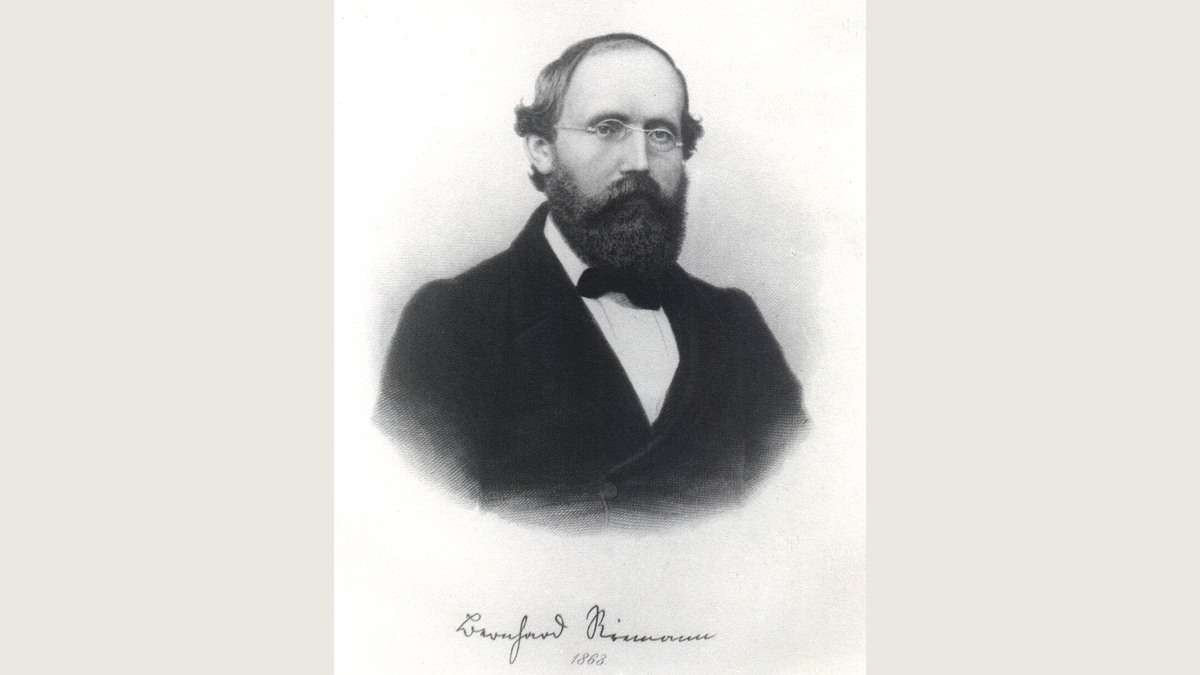
Lean checks verify Levent Alpöge’s formal Riemann hypothesis proof
AI News
Hits: 22
Lean FRO and the Mathlib Initiative say independent checkers verified the proof Alpöge reports developing with Claude. The result is separate from Clay’s prize process.
Dji Banner Inside Article - 728x90

Mathematician Levent Alpöge released a Lean library on 20 November containing a proof of the Riemann hypothesis that he says he found while working with Claude. In a joint statement on 21 November, Lean FRO and the Mathlib Initiative said their checks verified the formal proof, which spans roughly 17 million lines of code.
What was verified?
The team compared the theorem with Mathlib’s independently defined statement of the Riemann hypothesis. It then checked the exported proof with Lean’s official kernel and other independent proof checkers. Successful compilation alone would not show that the code proves the intended statement.
Why it matters
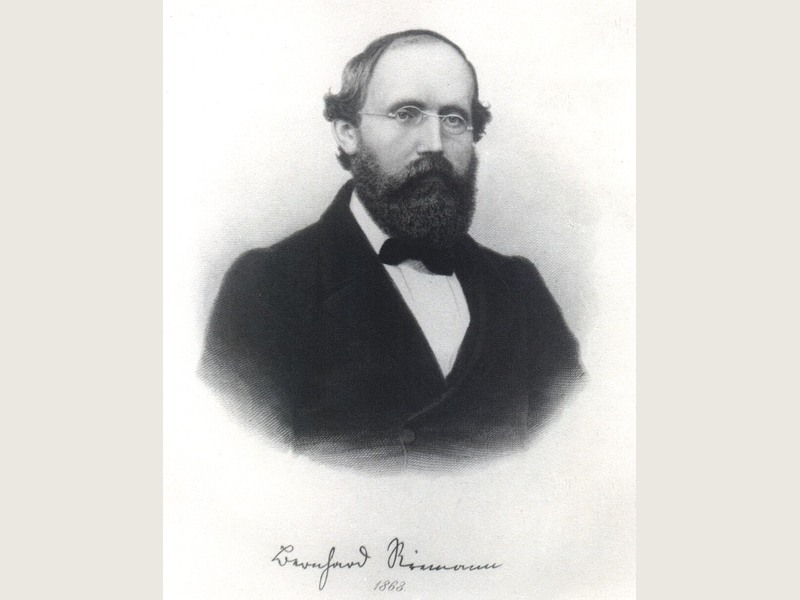
Bernhard Riemann’s 1859 hypothesis concerns the location of the nontrivial zeros of his zeta function. It is tied to one of the main tools used to understand the distribution of prime numbers. Alpöge describes working with Claude, but verification rests on checkable proof steps rather than the AI model’s authority.
The prize is a separate process
Clay requires publication in a qualifying outlet, a wait of at least two years and general acceptance by the global mathematics community before considering a prize. The Lean and Mathlib checks do not mean Clay has accepted an entry or awarded its prize.
Sources: Lean FRO and Mathlib Initiative; Levent Alpöge’s note; Clay prize rules.









