




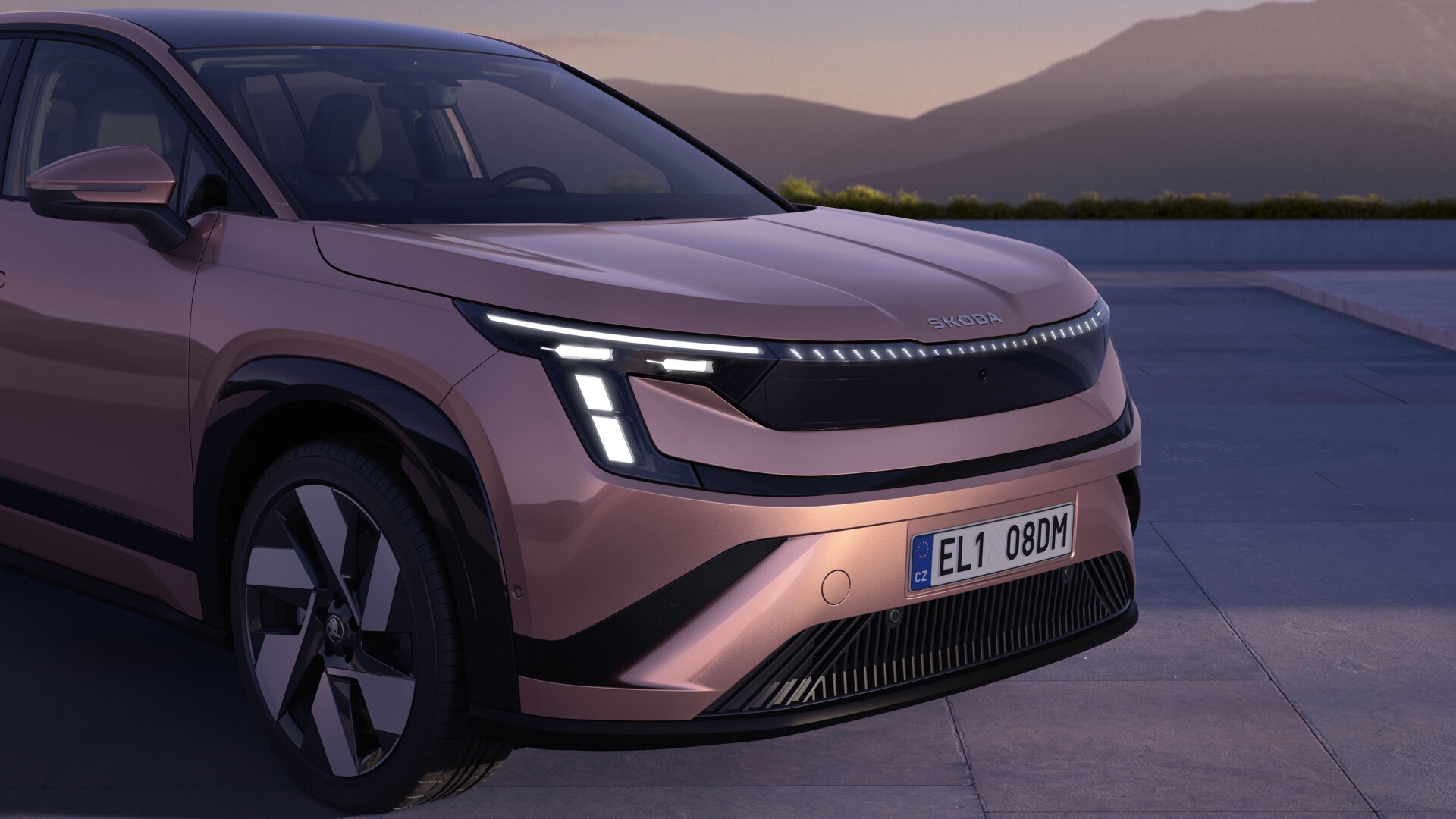
Škoda Peaq Earns Five Stars in 2026 Euro NCAP Assessment
Electric Car
Hits: 19
Škoda’s new electric flagship, the Peaq, has received the maximum five-star rating in the 2026 assessments conducted by independent vehicle safety organisation Euro NCAP. According to Škoda, the Peaq achieved the highest crash protection score recorded to date under the 2026 assessment protocol and became the first model to receive full points for occupant protection across all assessed crash configurations.
Tested against Euro NCAP’s 2026 criteria, the Škoda Peaq scored 94% for Crash Protection, 92% for Post-Crash Safety, 78% for Crash Avoidance and 65% for Safe Driving. The results demonstrate the new all-electric SUV’s capabilities in both passive and active safety technology.
Outstanding crash protection under the 2026 protocol
According to information published by Škoda, the Peaq’s 94% Crash Protection score is the highest achieved to date among vehicles assessed against Euro NCAP’s 2026 safety criteria. It received full points in the assessed occupant-protection scenarios covering frontal, side and rear impacts. This comparison does not constitute a direct ranking across different years’ assessment protocols.
The Peaq also performed well in impact tests assessing protection for vulnerable road users’ heads, pelvises and legs. Both its five-seat and seven-seat versions passed the child-seat installation checks. The assessments confirmed compatibility with i-Size and ISOFIX restraints, as well as seat-belt-secured child seats, in the appropriate assessed front and rear seating positions and in forward-facing or rear-facing configurations.
Strong post-crash safety results
The Peaq scored 92% in the Post-Crash Safety category. When the occupant restraint systems deploy during a collision, its advanced eCall system automatically transmits information to emergency responders, including the vehicle’s location, speed at impact, collision type and number of occupants wearing seat belts.
Multi-collision braking helps reduce the severity of secondary impacts following the initial crash. The Peaq also met thermal-propagation protection requirements lasting more than 20 minutes in battery safety testing and successfully completed the submergence tests.
Advanced driver assistance systems
The Škoda Peaq scored 78% for Crash Avoidance. Its driver assistance systems were assessed in approximately 1,000 scenarios involving cars, motorcycles, cyclists and pedestrians. The testing examined its active safety systems across frontal collisions, lane-departure incidents and potential low-speed crashes.
In the Safe Driving category, the Peaq scored 65%. It introduces an occupant-detection technology to the Škoda range that identifies the physical size of the driver and front passenger. The system optimises front-airbag deployment and the force applied by the seat-belt load limiter according to each occupant’s size.
A camera integrated into the interior rear-view mirror detects incorrect seat-belt use and alerts the driver. It also supports advanced fatigue detection and attention monitoring, helping identify distraction, tiredness, mobile-phone use and an unresponsive driver.
The Peaq also received full points in Euro NCAP’s new assessment of controls for driving, comfort and infotainment functions. Buttons providing haptic feedback and voice control reduce the need to interact with the touchscreen, helping drivers keep their attention on the road.
Occupant detection is not Child Presence Detection
Euro NCAP’s independent assessment states that the tested Peaq is not equipped with Child Presence Detection, a system that warns when a child has been left unattended in the vehicle. Classifying the driver’s and front passenger’s stature or detecting rear-seat occupancy does not mean that this separate safety feature is fitted.
Sources: Škoda’s November 19, 2026 press release, the Škoda Storyboard announcement and Euro NCAP’s Škoda Peaq assessment.
Dji Banner Inside Article - 728x90



