





How smartphones connect to satellites when mobile coverage drops
GSM
Hits: 22
How some smartphones connect to satellites, how direct-to-cell differs from emergency messaging, and why compatibility and coverage still matter.
Dji Banner Inside Article - 728x90

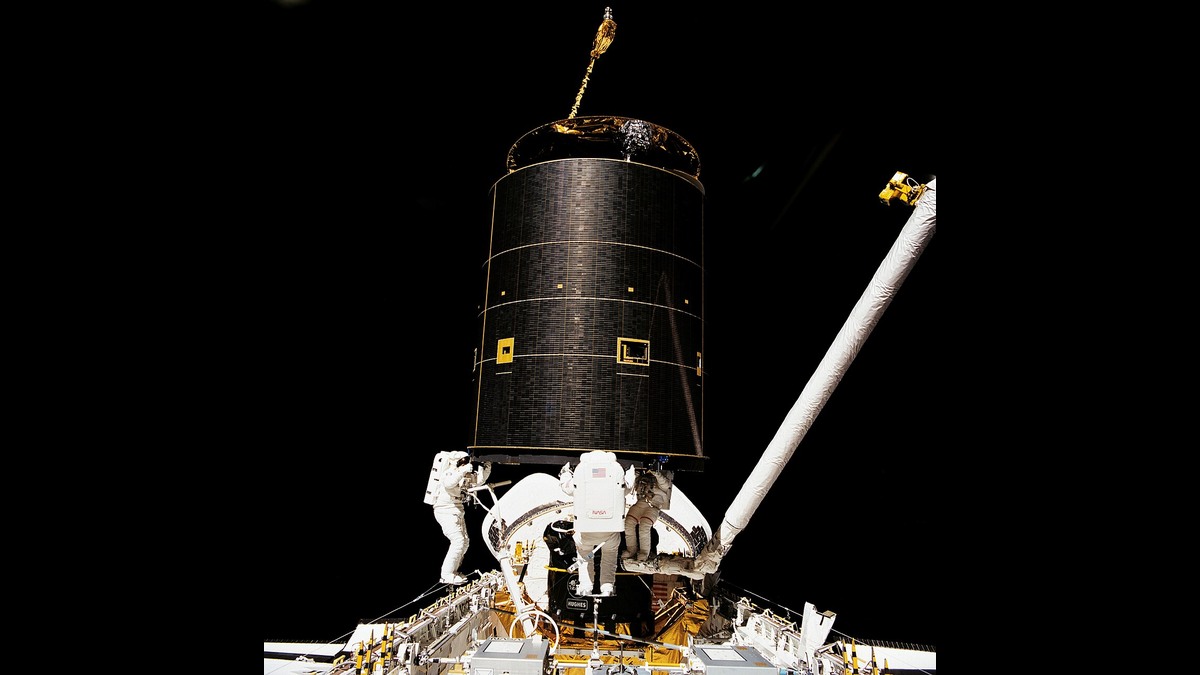
Some smartphones can send short messages by satellite when cellular coverage and Wi-Fi are unavailable. A 23 November Hackaday explainer examined the main engineering problem: even a low-orbit satellite is much farther away than a cell tower. To make a link work with the phone’s limited power, some systems use lower data rates or guide the user to point the device toward an unobstructed part of the sky.
Emergency messaging and direct-to-cell are different
Apple’s Emergency SOS via satellite and Google’s Satellite SOS on compatible Pixel phones are examples of emergency messaging in supported markets. In some carrier-based direct-to-cell systems, satellites serve compatible phones like cell towers in orbit. The handset, operator and region determine whether a given service offers messaging, calls or data.
What if mobile networks go down?
Satellite links can provide another communication path when a disaster disrupts terrestrial networks. In January 2025, the U.S. Federal Communications Commission issued limited temporary authorization for SpaceX and T-Mobile connections in areas affected by Southern California wildfires. That was a specific event and location, not proof of universal coverage or rescue outcomes. Availability in Türkiye was not verified.
Sources: Hackaday, Apple Emergency SOS, Google Pixel Satellite SOS, FCC.









