10.11.2026 19:10







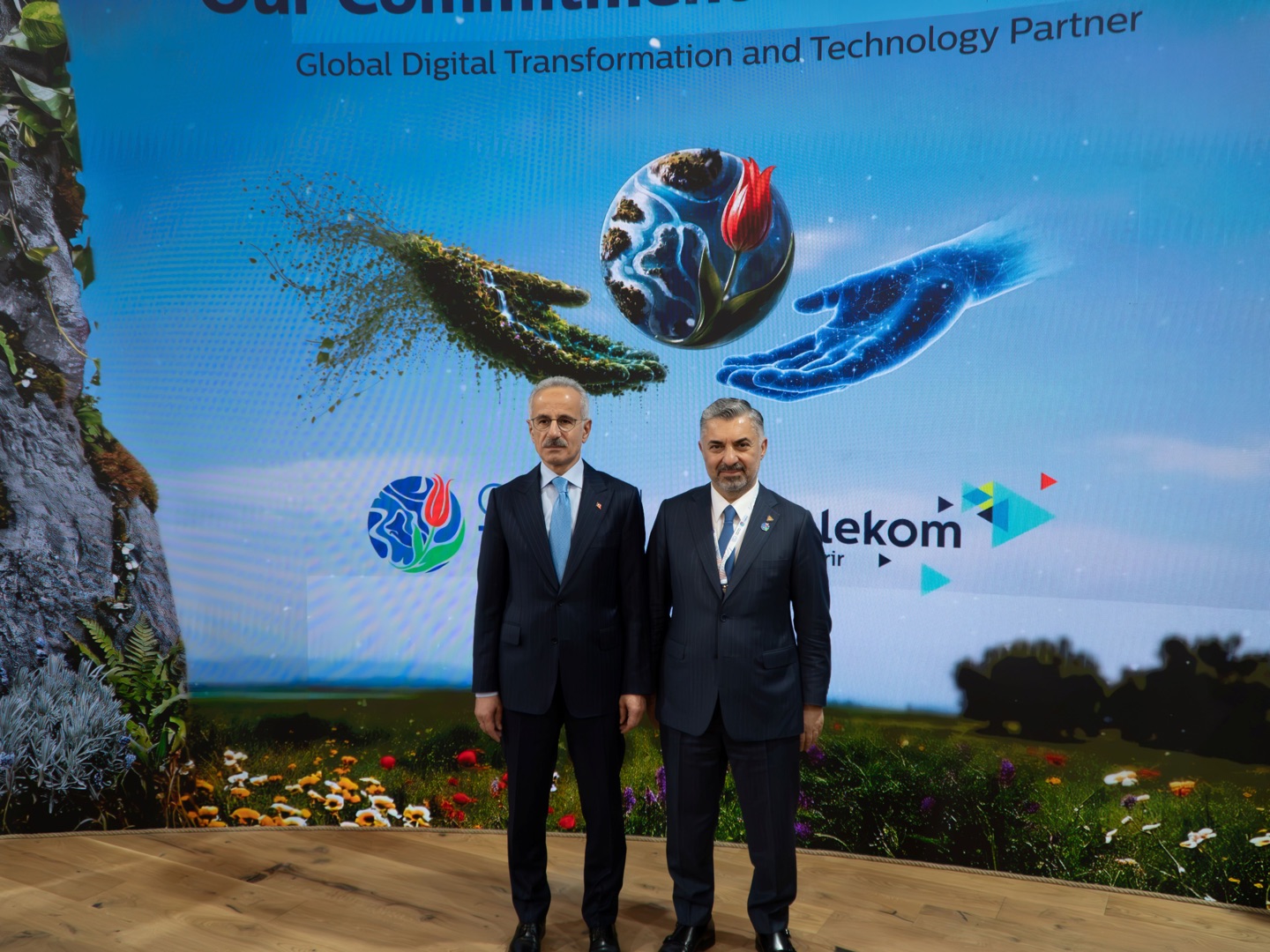
Türk Telekom has held a groundbreaking ceremony for its planned 300 MWp solar plant in Darende, Malatya, through a live 5G link from COP31. The company plans to commission the first phase in January 2028 and the entire facility in September 2028.

Türk Telekom announced on November 10 that it had held a groundbreaking ceremony for a solar power plant planned in the Darende district of Malatya. Transport and Infrastructure Minister Abdulkadir Uraloğlu took part from the COP31 United Nations climate conference in Antalya. A live 5G link connected the company’s experience area at the summit with the project site.
According to the company, the Malatya plant will occupy 4 million square metres and have an installed capacity of 300 MWp. Türk Telekom says it will be Türkiye’s third-largest solar power plant when completed.
Türk Telekom expects the Malatya facility to generate 470 GWh of electricity a year and avoid 294,000 tonnes of annual carbon emissions. These figures are projections for a plant that has not yet entered operation, rather than reported generation or emissions savings.
Chief executive Ebubekir Şahin said the plant’s expected annual output would be equivalent to 36% of Türk Telekom’s total energy consumption in 2025. He said the company was continuing its energy-efficiency programmes and renewable energy investments as part of its approach to integrating sustainability into its business strategy.
Under the timetable announced in the release, the first 150 MW phase is scheduled to enter service in January 2028, with the whole facility expected to operate at full capacity in September 2028.
Malatya is the second stage of Türk Telekom’s solar programme. The company said electricity generation had already begun at its first facility in Sivas, which has 128 MWp of installed capacity. Its investments in Sivas, Malatya and Ağrı are intended to bring total installed solar capacity to 530 MWp.
Şahin said that, once all the solar plants reach full capacity, their output is expected to equal 65% of the company’s total energy consumption in 2025. Across the programme, Türk Telekom aims to avoid 500,000 tonnes of carbon emissions annually. The 65% figure is a future target dependent on completion of the projects, not a statement of the share currently supplied.
Şahin said the investments were expected to support the company’s goals of reducing emissions by 45% by 2030 and reaching net zero in 2050. The release does not specify the baseline year for the 45% reduction target.
Türk Telekom is participating in COP31, hosted by Türkiye for the first time, as a “Master Partner” and a supporter of “Global Digital Transformation and Technology.” Şahin linked the Malatya project to the company’s “Yarına Sözümüz Var” sustainability approach and its intention to support the country’s climate goals.
Speaking at the ceremony, Uraloğlu described climate action as an issue involving technology, infrastructure and future generations as well as the environment. He welcomed the investment in earthquake-affected Malatya and highlighted the importance of renewable energy and low-carbon digital infrastructure. He also argued that technology should be an ally in climate action rather than an obstacle.
Türk Telekom said security at the Malatya plant would use a domestically developed drone automation system from its group company Argela. The planned deployment would apply local technology to the protection of renewable energy infrastructure.
Source: Türk Telekom press release.
Related coverage (in Turkish): Türk Telekom’s COP31 and solar energy plans.