





GITEX GLOBAL 2026: Dubai opens with an AI summit on 7 December
Events
Hits: 15
GITEX GLOBAL 2026 begins on 7 December with the first GITEX Summit at Dubai World Trade Centre. The main exhibition runs on 8–11 December at Dubai Exhibition Centre in Expo City Dubai, the show’s new venue. Expand North Star, which connects founders with investors, takes place at the exhibition centre on 8–10 December.
Dji Banner Inside Article - 728x90

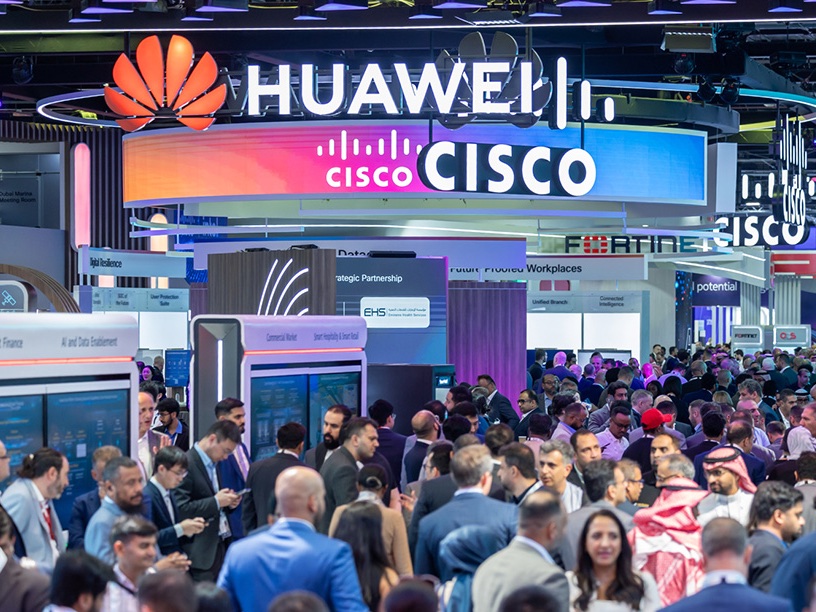
For the 46th edition, the organisers expect technology executives, policymakers, investors and innovators from more than 120 countries. All 46 exhibition halls are already booked, according to the organisers, who expect more than 6,000 companies and 10,000 technology brands. The agenda covers AI’s economic impact, regulation, sovereignty, responsible use and the future of smart infrastructure, alongside product launches and cross-border partnerships. Trixie LohMirmand, executive vice president of organiser inD, said AI is enabling discovery and changing economies while raising questions about trust, ethics, sovereignty, security, infrastructure and energy. She said the event aims to bring different perspectives together, test assumptions and weigh the choices ahead.
The 7 December summit: computing demand, investment and superintelligence
The first Summit uses the theme “The Global Reset 2027: Through a New Lens”. Executives will discuss the economic implications of rising demand for computing power, changing investment patterns and the race towards superintelligence as they plan for 2027. Featured speakers include DigitalBridge CEO Marc Ganzi, whose digital infrastructure investment firm was acquired by SoftBank in a $3.1 billion deal completed in September; Nina Schick, author of Deepfakes and a former adviser to Joe Biden and Emmanuel Macron; Andreessen Horowitz general partner and head of global affairs Anne Neuberger, a former White House adviser on cybersecurity and emerging technologies; and New York University professor emeritus Gary Marcus, known for advocating neurosymbolic AI and challenging inflated claims about AI.
More than 500 expert speakers are scheduled across five days. The programme covers swings in the AI market, an economy built around AI agents, physical AI, longevity and developments in the life sciences.
Robotics, computing and longevity at the exhibition
The new exhibition zones run on 8–11 December. With global humanoid robot shipments up about 300% in the first half of 2026 according to figures cited by the organisers, GITEX Robotics & Mobility will feature Unitree’s quadrupeds and humanoids, service-robot maker Pudu Robotics and UBTECH, developer of the Walker S humanoid. The Robotics & Mobility Park will highlight the electric air taxi Joby Aviation plans to introduce in Dubai with the Roads and Transport Authority and Mercedes-Benz’s Level 4 robotaxi trials.
GITEX Super Data Centre focuses on infrastructure investment to meet AI’s computing needs, projected by the organisers to reach $7 trillion. GITEX RetailX looks at the Middle East and North Africa retail market, which the release says could reach $1.4 trillion by 2032. LIVX by GITEX explores applications for AI in longevity, a market the release expects to reach $610 billion by 2030.
The organisers say participating unicorns have a combined valuation of $76 billion. They include Swedish legal AI company Legora, valued at $8.8 billion; VAST Data, which supplies infrastructure to nine of the world’s ten leading advanced AI labs according to the release; and Swiss company Nexthink, which provides tools for improving the digital employee experience at more than 1,300 companies across 30 million devices and systems.
AI resilience and the role of country pavilions
AWS, Etisalat, G42, Google, Huawei, IBM, Lenovo, Microsoft and Oracle are expected to expand their participation, with an emphasis on business opportunities, product and project introductions and international collaboration. Shukri Eid, IBM’s general manager for the Gulf, Levant and Pakistan, said the company would examine how organisations can adopt technologies including AI at scale without losing control or interrupting critical operations. He described resilience as more than recovering from disruption: it also means adapting, maintaining alternatives, avoiding dependency on a single provider or platform, and understanding dependencies across data, models and infrastructure so organisations can change course.
The organisers frame the event as a route for companies to reach new markets, attract investment and build partnerships in Dubai. Australia and New Zealand are among the participants from Oceania. Brazil and Colombia will expand their pavilions, and companies from 31 European countries will attend, with larger pavilions for Italy, Cyprus and Greece. Canada opens its first country pavilion at Expand North Star. Startups from Suriname, Thailand and Uzbekistan are also expected to seek international partners.
Dalibor Palus, trade fair director at Germany pavilion organiser AHK UAE, said Dubai combines technology investment with an internationally connected business environment, giving German exhibitors opportunities to share expertise and build ties beyond the show. Tatiana Riera, managing director of ApexBrasil’s Dubai office, said the Brazil pavilion will focus on turning international contacts into business, investment and partnerships that strengthen Brazil’s links with the Gulf.
Sources: GITEX GLOBAL press release (Turkish), official dates and venues.









