




Samsung and UNDP showcase youth AI projects at COP31
AI News
Hits: 36
Samsung Electronics and the United Nations Development Programme (UNDP) in Türkiye shared results from Innovation Campus at COP31 in Antalya. The programme helps young people apply AI skills to climate and sustainability problems. Samsung says that more than 31,000 young people from 81 provinces and 200 universities have applied since the Turkish programme began in 2020, and that more than 90% of graduates entered employment. The application figure does not represent the number of trainees or graduates.
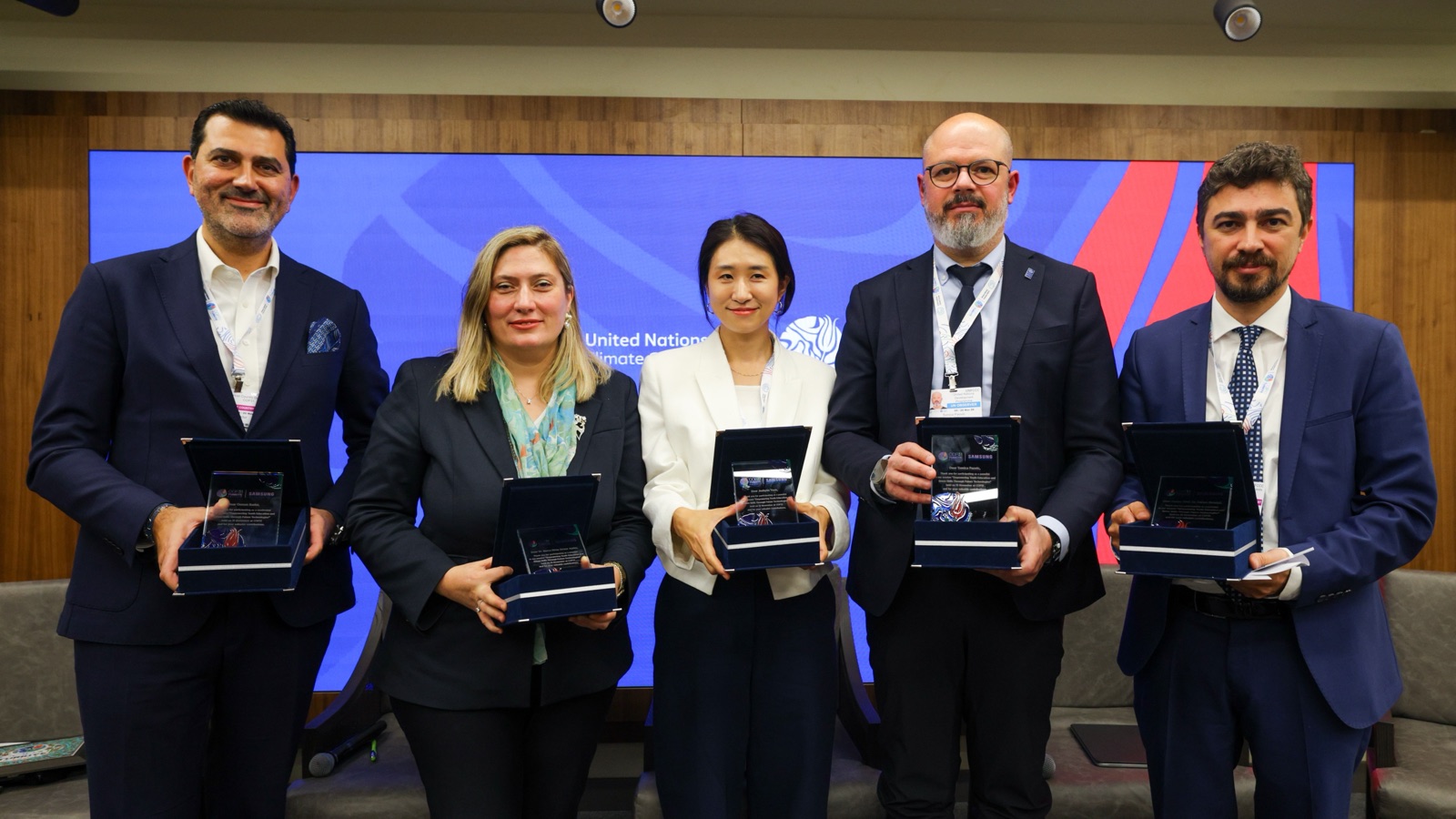
Photo: Samsung Electronics Türkiye press release, 20 November 2026.
Building technical skills and bringing institutions together
The COP31 Blue Zone panel covered AI education, youth employment, climate action and university-industry collaboration. Burcu Miraç Dıraor Aydın of Türkiye’s Office of the Vice President highlighted critical thinking, creativity and collaboration alongside technical expertise. Jeehyun Yoon, head of corporate citizenship at Samsung Electronics’ Suwon office, called for investment in the young people who will develop and use AI as well as the technology itself. UNDP Türkiye Deputy Resident Representative Tomica Paovic said combining private-sector expertise with development and mentoring helps participants put AI skills to work on current problems.
Women account for 52% of participants
Samsung and UNDP launched the Turkish programme in 2020. It teaches coding, AI and emerging technologies, pairing Samsung’s work on responsible AI with UNDP’s Sustainable Development Goals and mentoring. Samsung says that women represent 52% of participants, and that the programme includes AI classes for women and training on gender equality. The employment figure relates to graduates. The press release does not give its sample size or follow-up period.
Projects range from hydroponics to carbon forecasting
Participants study exploratory data analysis, machine learning, natural language processing, language models and deep learning, then develop practical projects. One team looked at how to reduce water and nutrient use and emissions in hydroponic tomato production. Another developed a global carbon emissions forecasting model using 20 years of data from 176 countries. Other project areas include renewable energy, access to energy and resource efficiency. The press release did not report field validation for the two examples.
Innovation Campus also works with Sektör Kampüste, the digital learning programme of Türkiye’s National Technology Academy led by the Ministry of Industry and Technology. The partnership brings AI training to students at Yıldız Technical University.
Source: Samsung Electronics Türkiye press release, 20 November 2026; programme partner: UNDP Türkiye.
Dji Banner Inside Article - 728x90



